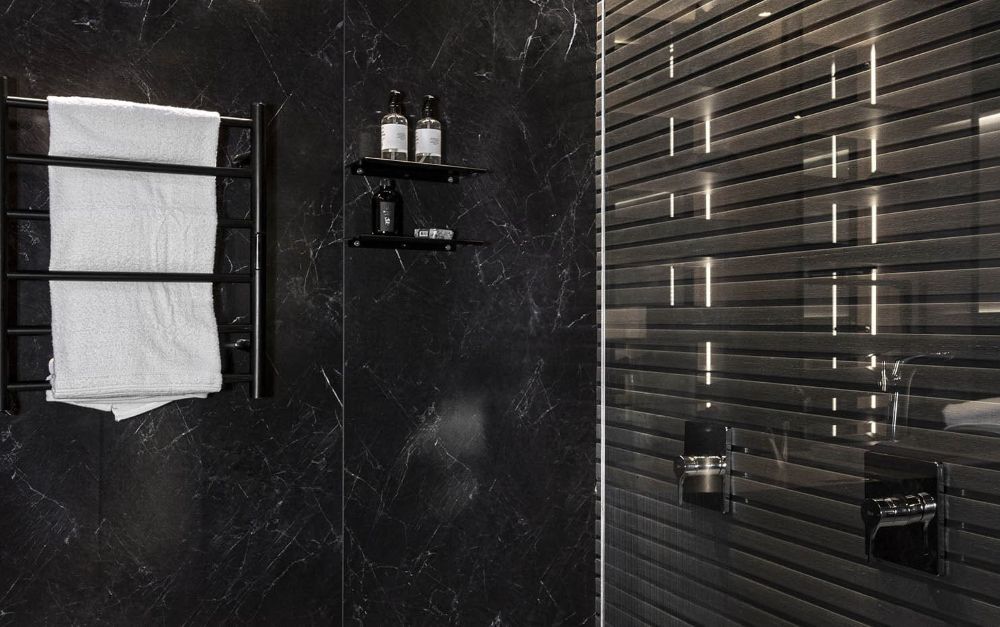
Bathroom design goes beyond aesthetics. When the space is conceived as an integrated system—combining drainage, storage, water control and thermal comfort—it improves daily routines, simplifies maintenance and preserves quality over time. A well-planned bathroom responds to real use, creating a functional, comfortable and consistent experience from design through everyday life.
Designing a bathroom goes far beyond choosing finishes or fixtures.
It means thinking about how the space is used, how water flows, where everyday actions take place and which decisions truly improve comfort.
A well-designed bathroom supports daily routines, simplifies cleaning and maintains its quality over time.
Comfort does not come from adding more elements, but from the coherence between design, materiality and systems working together from the very first project decision.
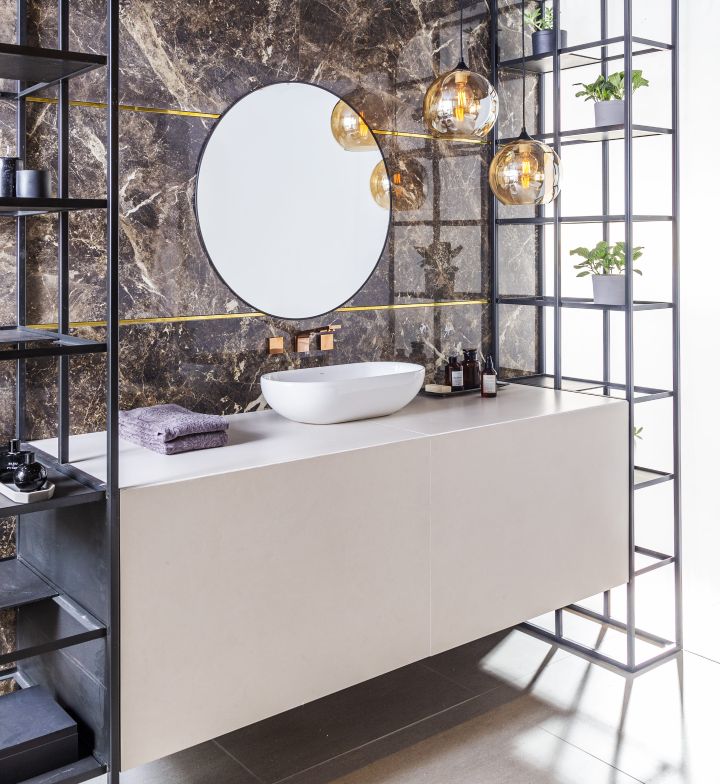
Current bathroom design trends focus on clean spatial reading and the integration of technical solutions that support everyday use.
This means understanding the bathroom as a set of systems working simultaneously.
Key aspects of contemporary design include:
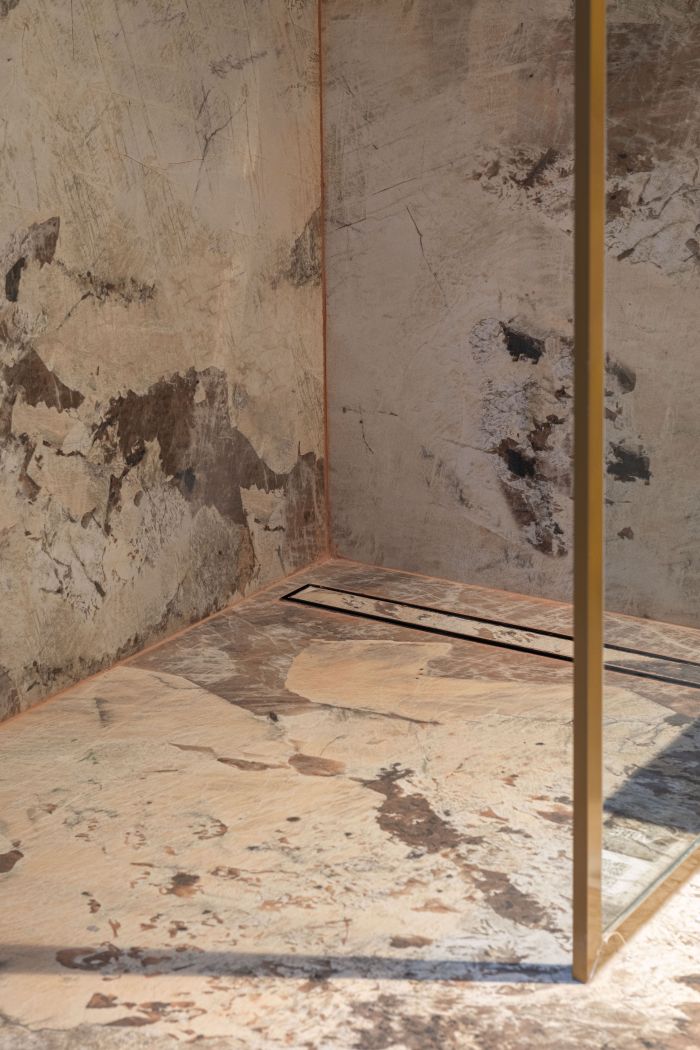
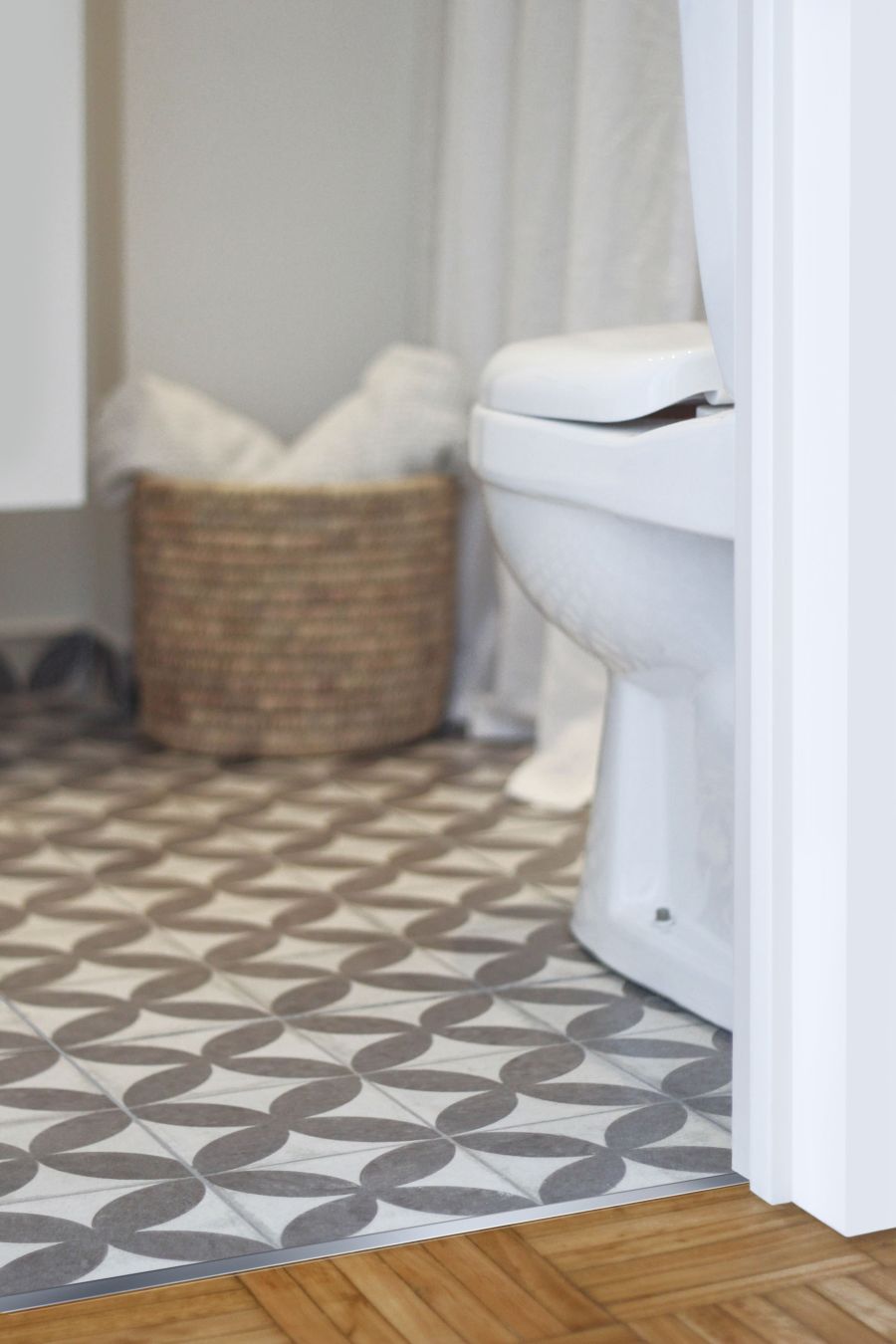
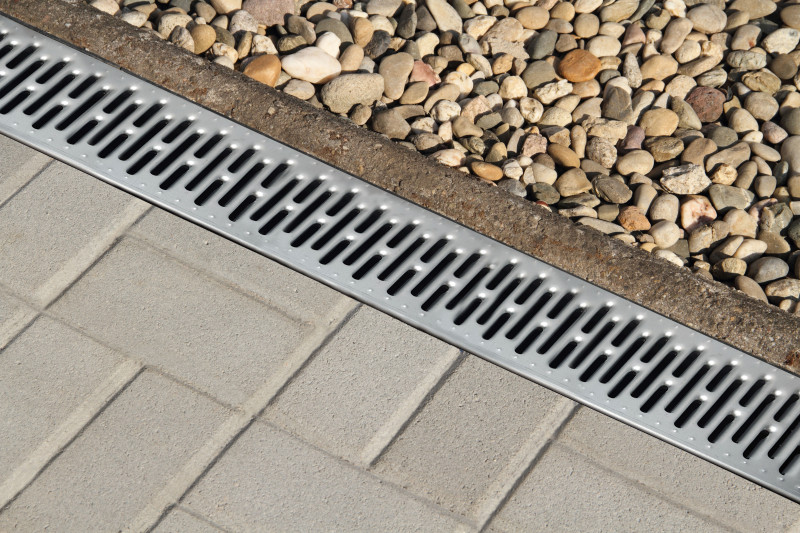
Efficient water management, through well-designed drains that organize the floor and simplify maintenance, such as ATRIM shower drains.
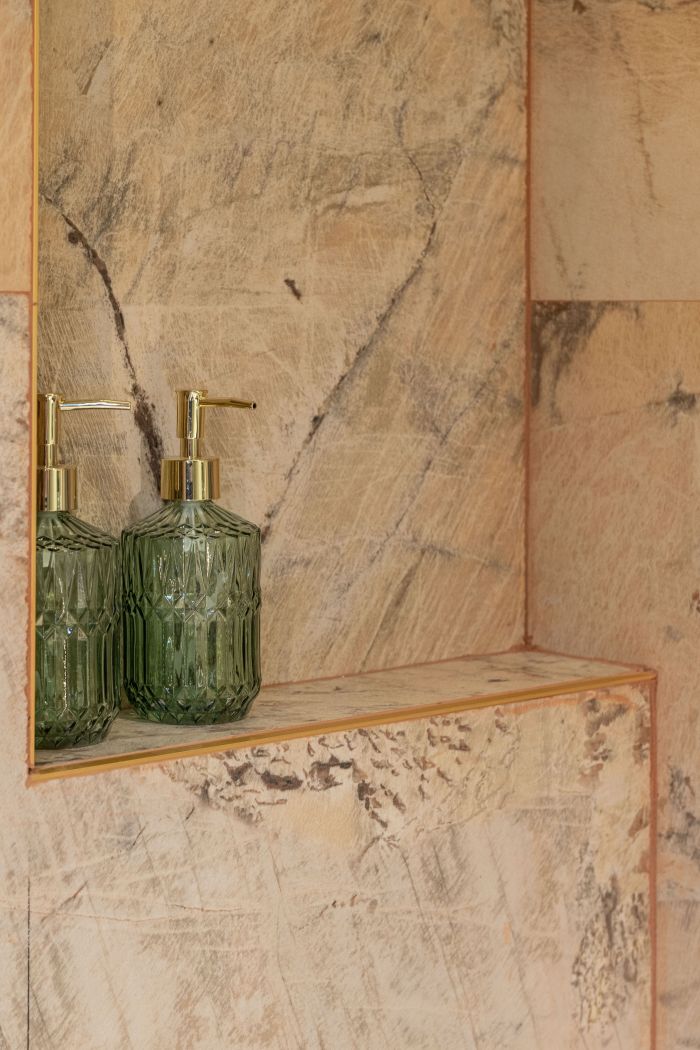
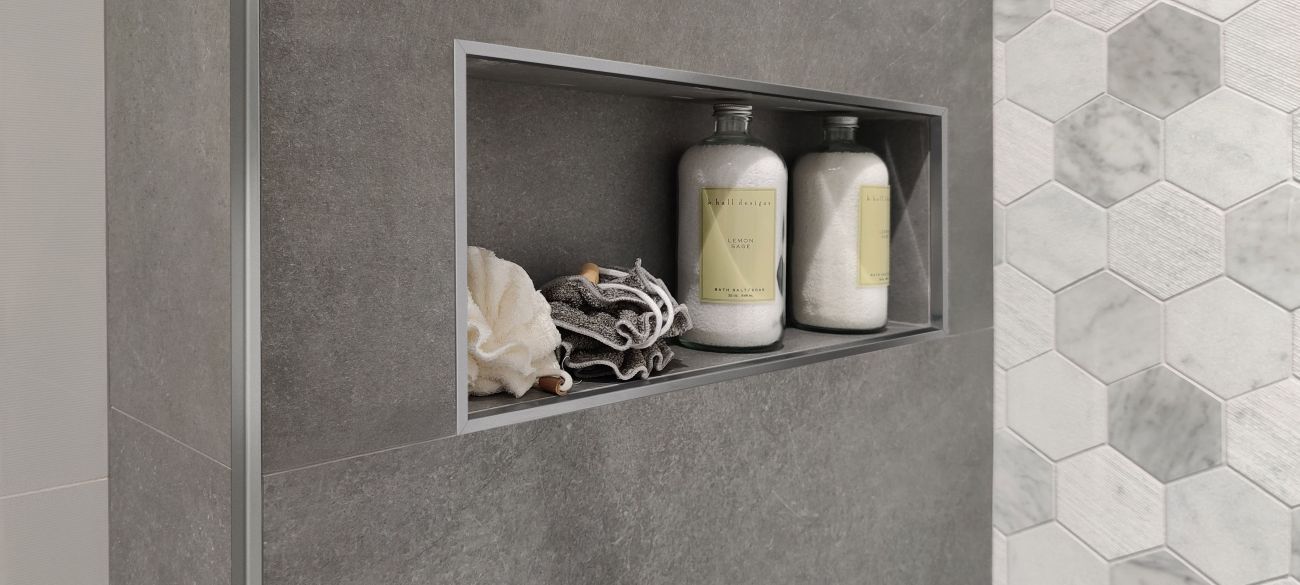
Daily organization and support, achieved with discreet solutions that free up shower space, like ATRIM shower shelves designed to integrate seamlessly with wall finishes.
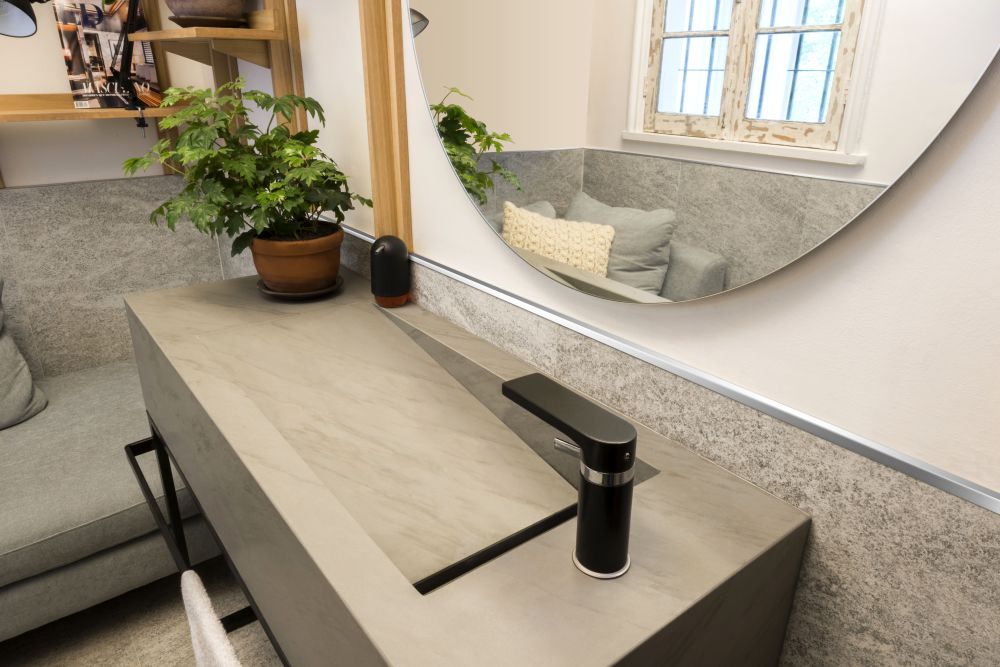
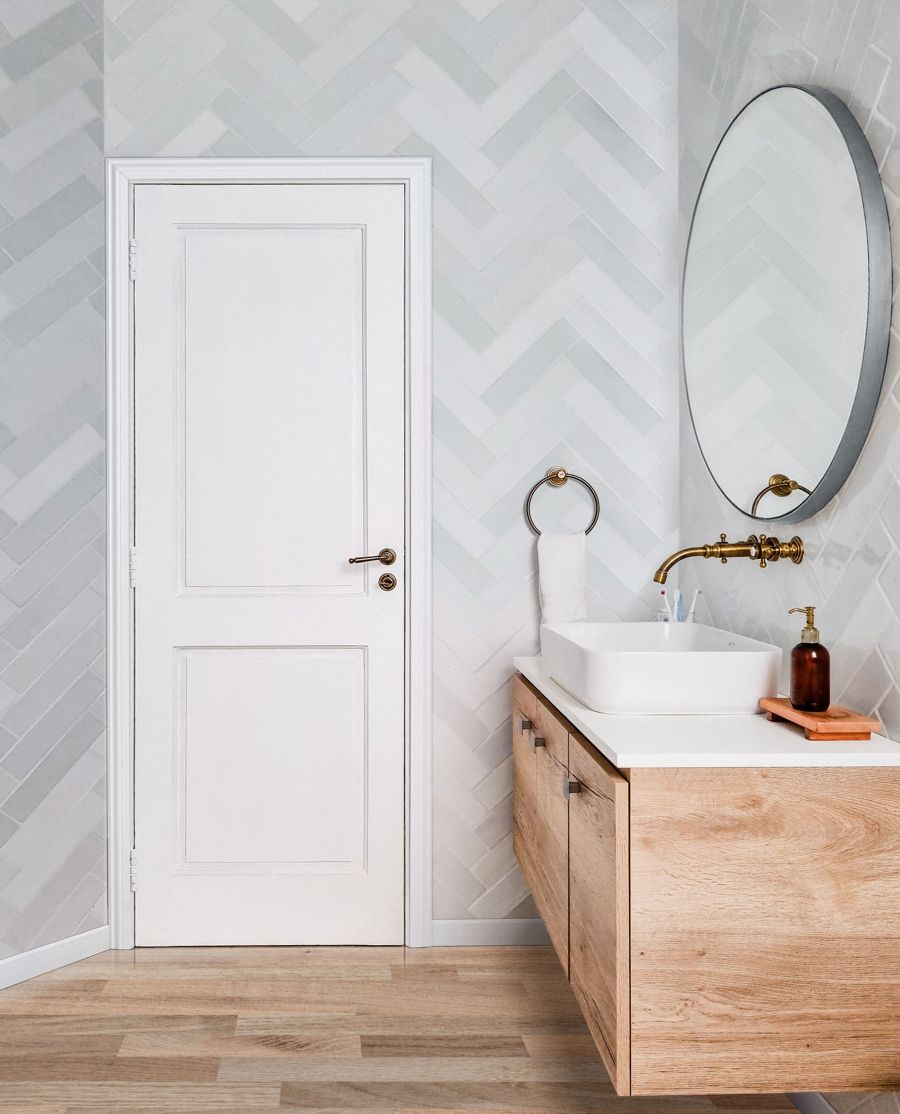
Water control at the sink, using simple and efficient systems such as the ATRIM Click Clack waste, improving the user experience with a minimal gesture.
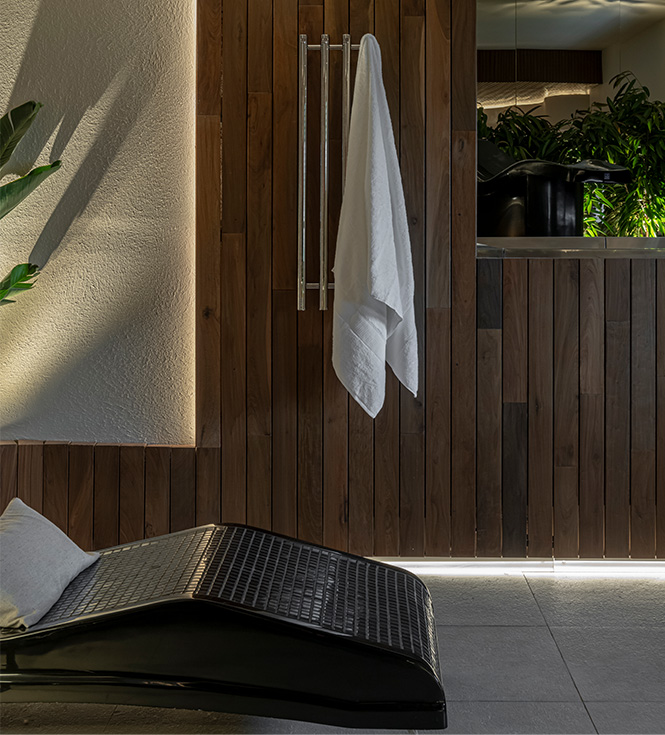
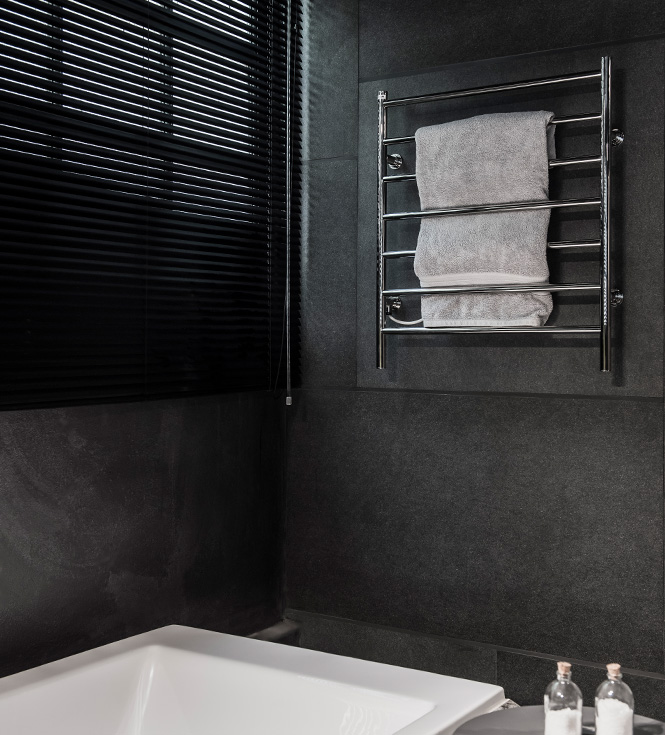
Thermal comfort, naturally integrated into the design through ATRIM electric towel warmers, adding warmth and functionality without visual interference.
When these elements are conceived as part of the same design language, the bathroom becomes easier to use and maintain.