
Baseboards are no longer just a technical finish: today they are also an active part of interior design. In this context, paintable baseboards are one of the tools that offers the most options for defining the style of a room.
Color reaches baseboards too
For a long time, white was the usual choice for baseboards: a neutral option that worked as the closing line of the room. Current interior design trends propose something different, with two paths that keep showing up in real spaces.
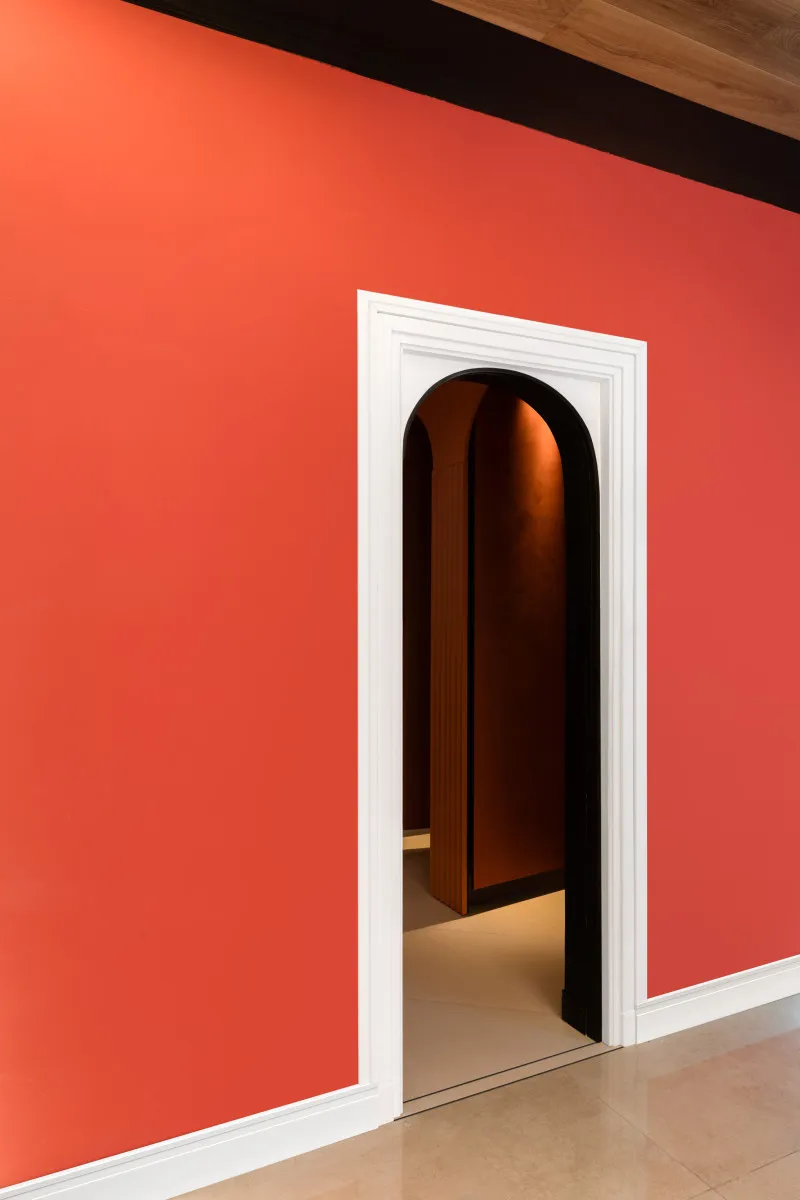
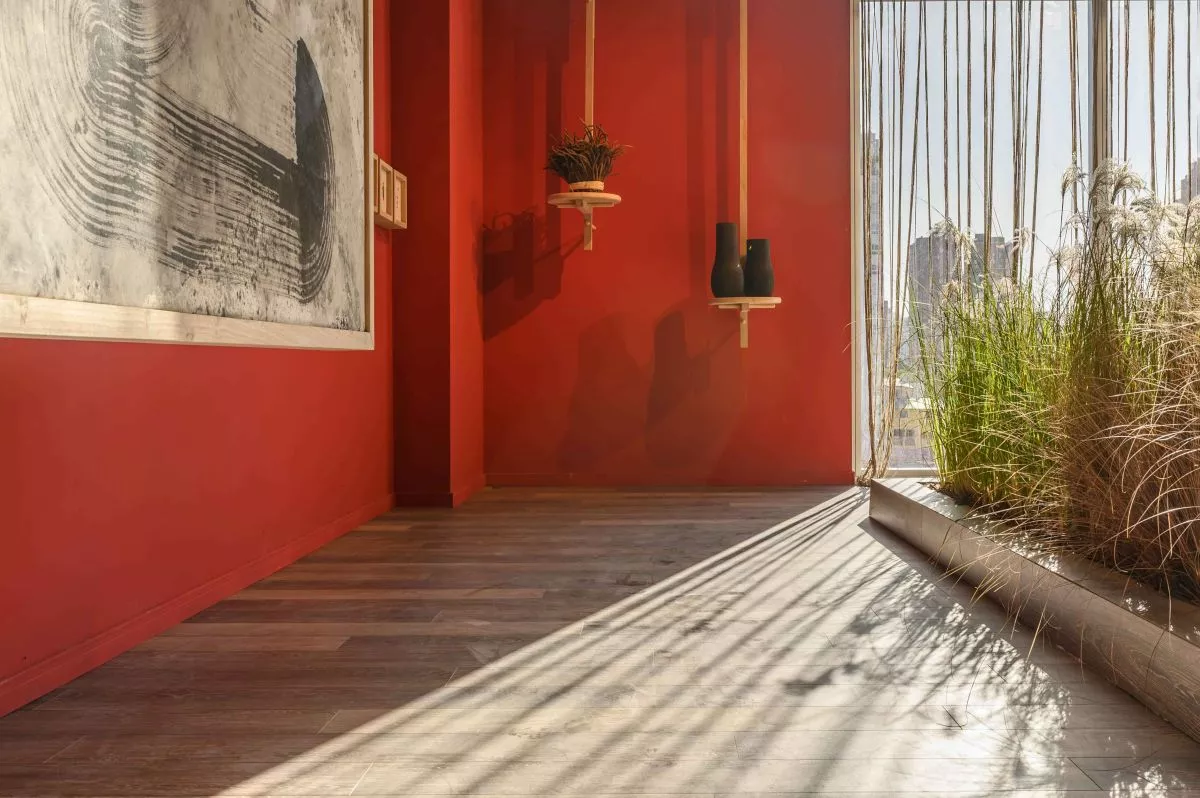
The first is full integration: painting the baseboard the same color as the wall, along with moldings and door frames, to create an enveloping effect with no visual breaks. This technique, known as Color Drenching, is gaining ground because it creates a sense of greater width and height, especially in small rooms.
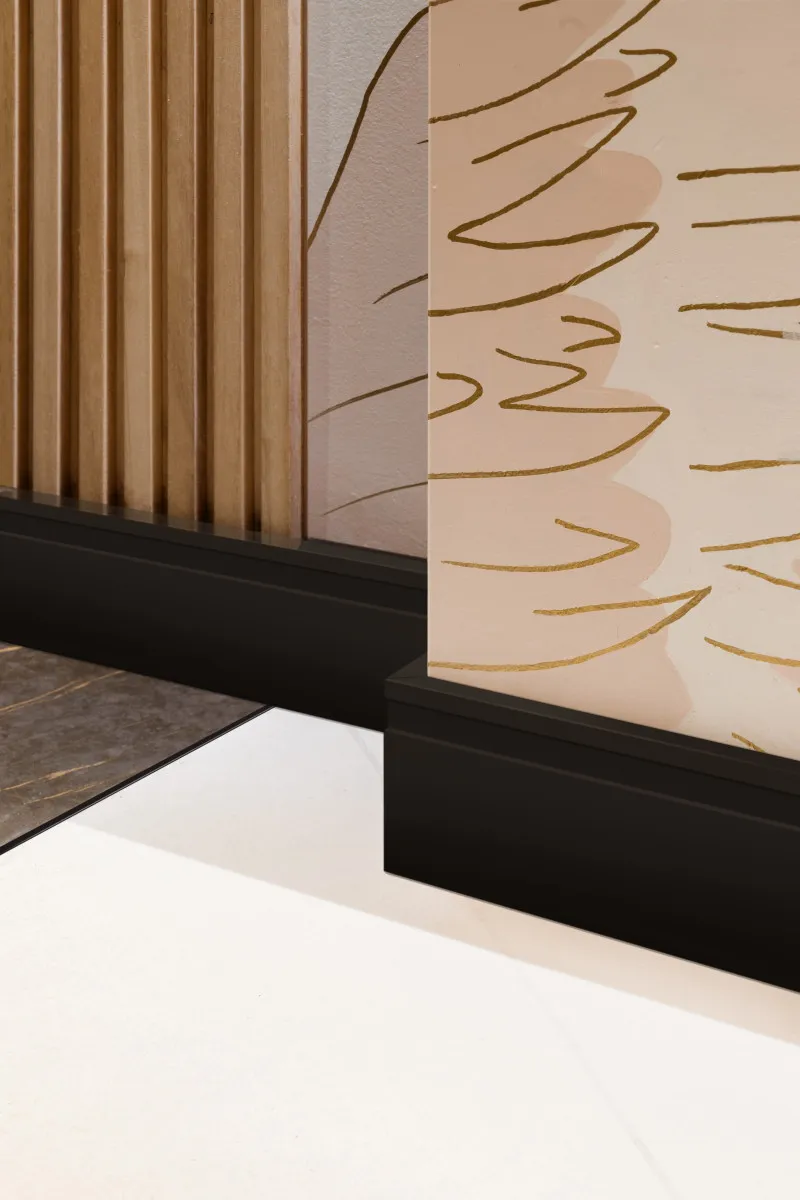
The second path is deliberate contrast, with different variations depending on the effect you want: black adds drama to industrial or minimalist interiors; pastel tones bring delicacy to softer rooms; and earth tones, such as terracotta, beige or light brown, add warmth and a more natural connection with the surroundings.
On both paths, the baseboard stops being an element that gets resolved at the end of the job and becomes an early design decision.


How to choose paintable baseboards
Before defining the color, it helps to settle a few design decisions:
Blend or contrast: A baseboard in the same color as the wall amplifies the sense of space; a baseboard in a different tone marks the architecture of the room and adds personality. The choice will always depend on the effect you are aiming for
Height and proportion: In rooms with low ceilings, a baseboard in the same color as the wall helps avoid cutting the visual verticality. In rooms with high ceilings, a taller baseboard or one in a different tone can work as a design element in itself
Paint finish: A matte finish blends the baseboard into the wall better; a satin finish makes it stand out and makes cleaning easier in higher-traffic areas
Consistency with the other painted elements: If moldings or door frames are also painted, it is best to define all of those elements as a single color system, not in isolation
There is no single right way to use paintable baseboards; what matters is that the choice supports the overall language of the room and responds to the style you want to achieve.

Epsilon paintable baseboards: a solution that combines design and functionality
ATRIM Epsilon paintable baseboards, made of XPS, are ready to take water-based latex paint, which lets you achieve the finish that best suits each room: blended into the wall or as an intentional contrast. In addition to this design flexibility, they help protect walls from knocks, moisture and everyday wear.
Their smooth surface makes painting easier and delivers a uniform result, with a simple installation using Pro-Fix Adhesive.
Why choose Epsilon paintable baseboards?
They adapt to any wall color
They let you renew a room without changing the baseboard
They are made of high-strength XPS
They are easy to paint with water-based latex
They require little maintenance
They install quickly with Pro-Fix Adhesive
With Epsilon paintable baseboards you do not have to choose between the technical protection a wall needs and the design freedom that color trends demand: you get both in a single product.