




Discover the differences between AISI 304 and AISI 430 stainless steels and how to choose the right alternative according to the requirements of each project.
Why does stainless steel remain a benchmark material?
In architecture and interior design, solutions are evaluated not only by their initial visual impact, but also by how they respond to daily use and the passage of time. In this context, stainless steel combines strength, durability, and ease of maintenance, making it especially suitable for spaces where the material is exposed to moisture, heavy foot traffic, or frequent cleaning.
Where is stainless steel used in architecture? Solutions for walls, floors, and technical spaces
Solutions for walls and corners
Edge and joint protections.
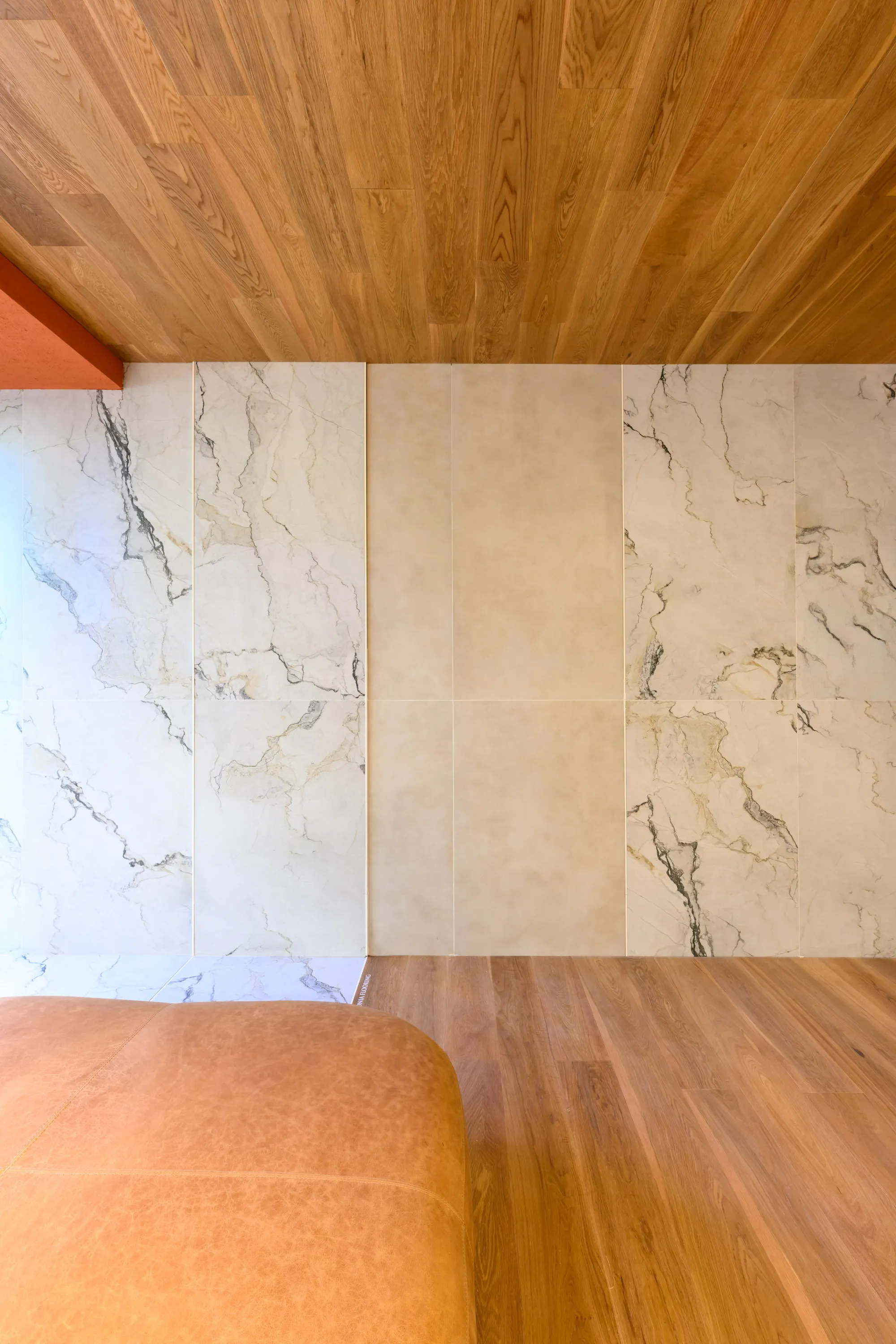
They allow resolving joints and protecting edges without resorting to 45° cuts in the cladding. Featured lines: Square finishes, L-shaped profiles, splendor finishes, and decorative listellos.
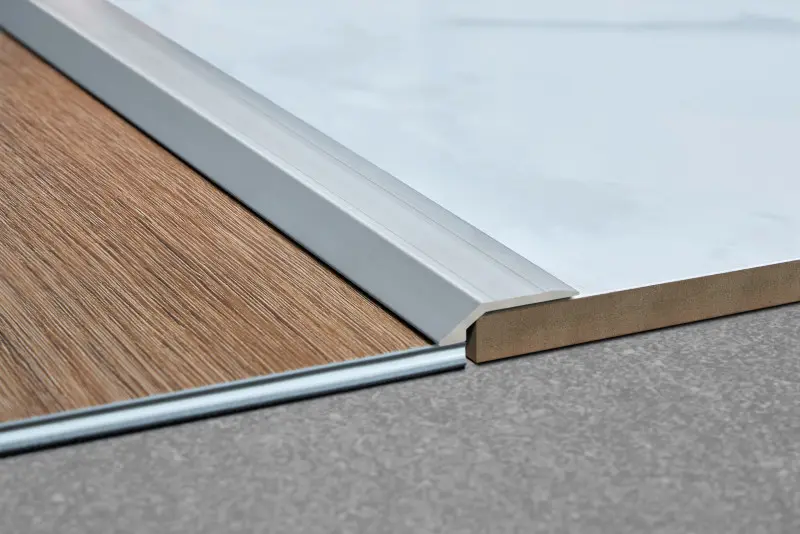
Solutions for floors and transitions
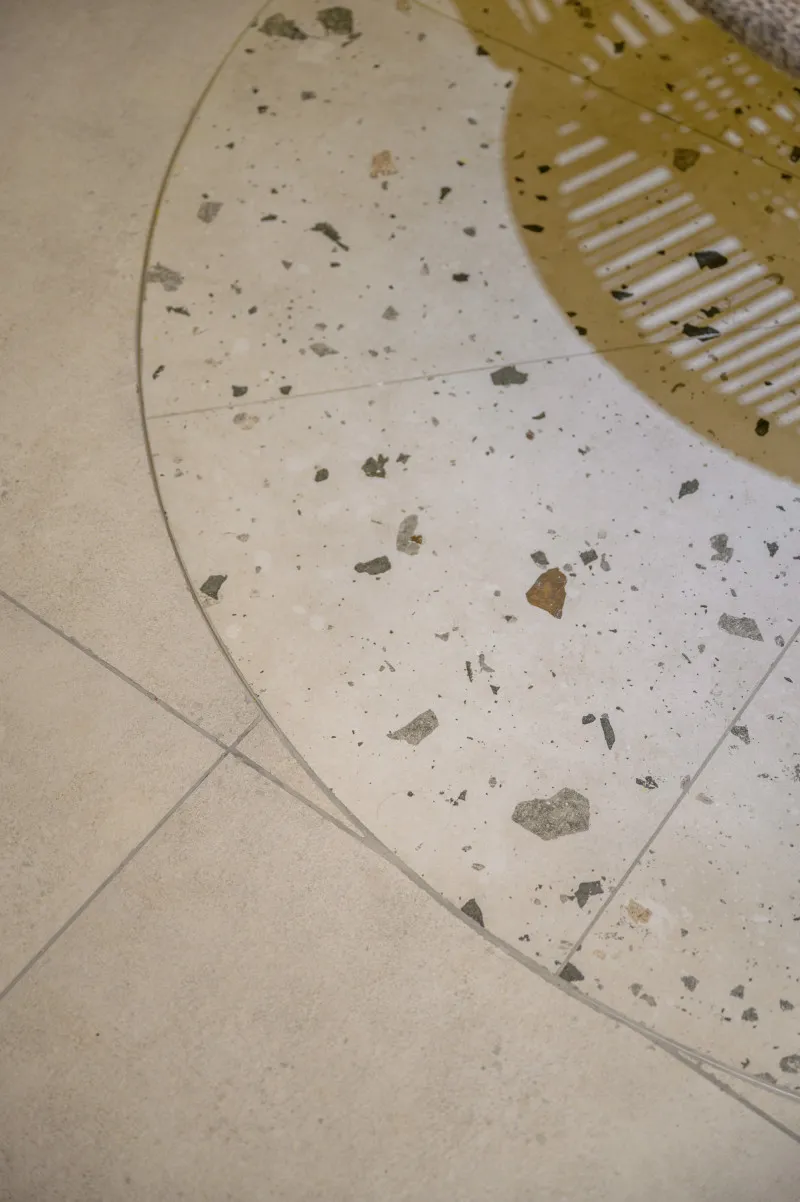
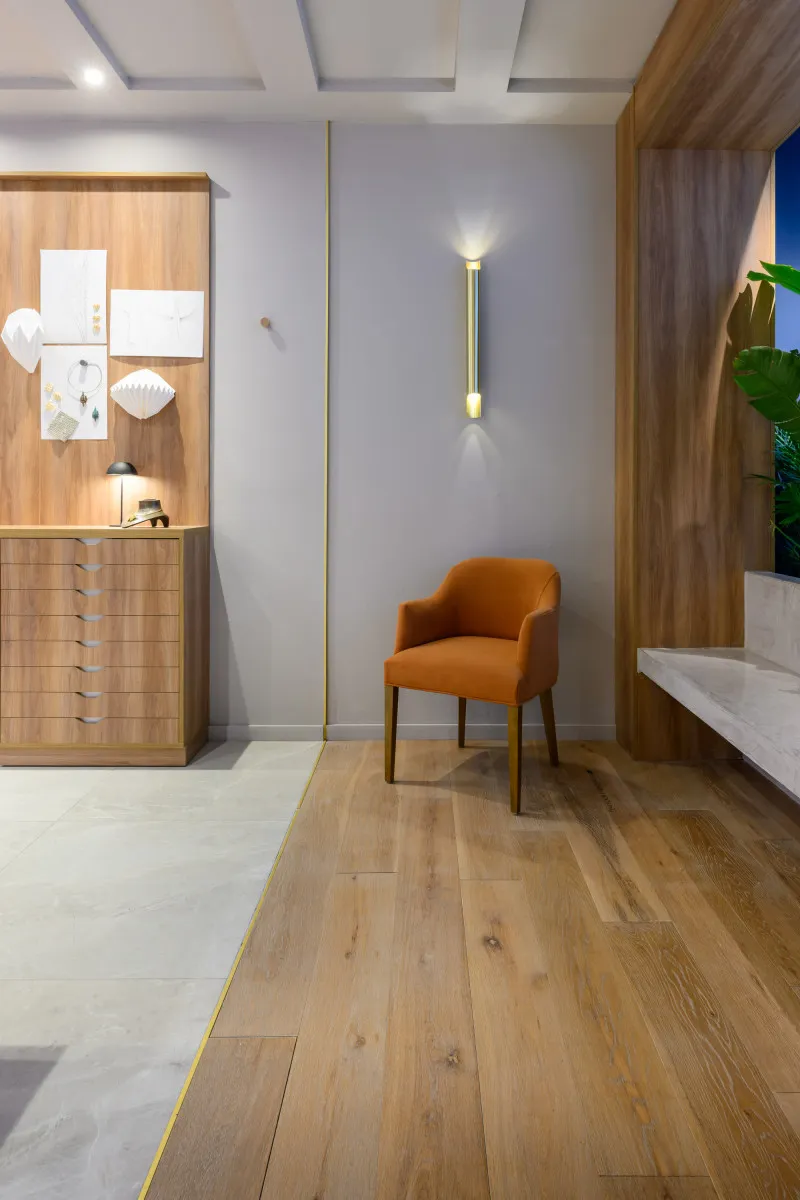
Fluid transition between different materials (e.g., Porcelain tile to Floating or Vinyl flooring).
Thermal expansion solutions sized to the movements and demands of each project.
Wet areas and bathroom equipment
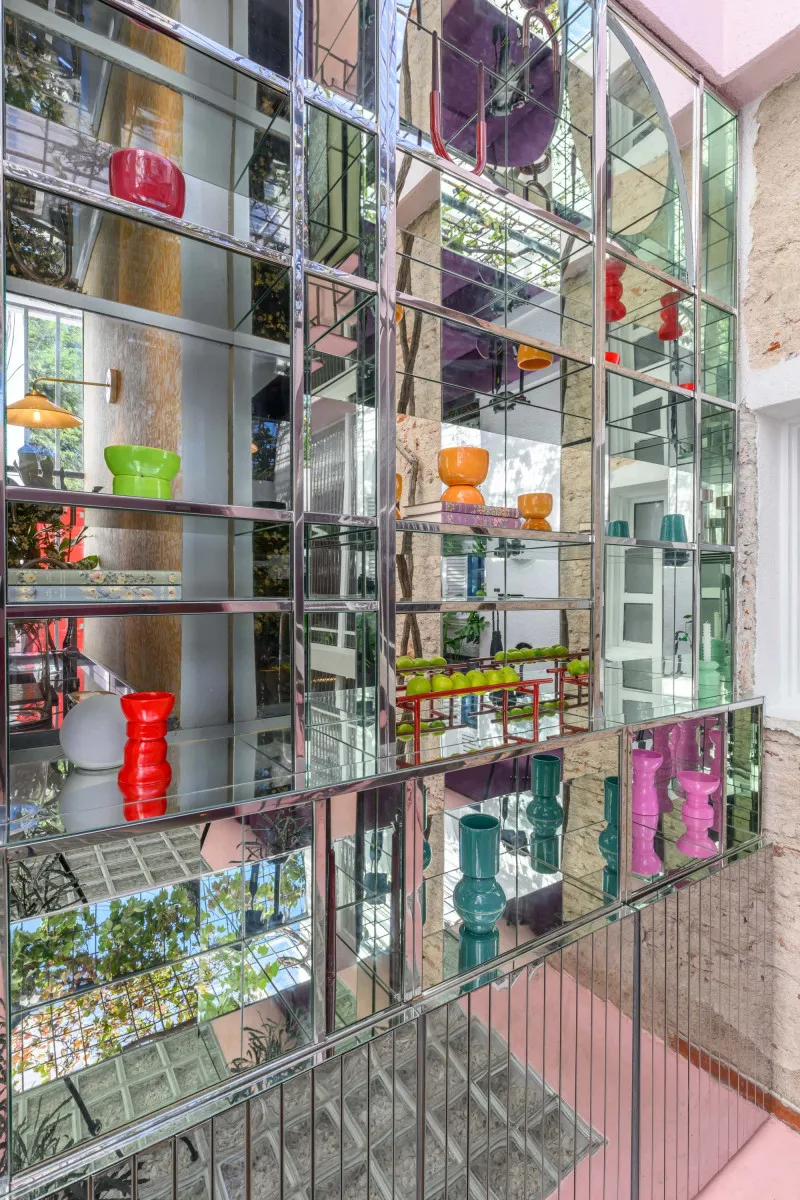
Shelves (built-in or joint-mounted) and invisible linear drains that accompany the waterproofing of the area and simplify maintenance by reducing points of dirt accumulation.



Stainless Steel vs. Aluminum and PVC: When to specify each?
Although anodized aluminum and PVC are efficient alternatives for various uses, stainless steel positions itself at a higher level when required:
Resistance to heavy load impact: Ideal for light vehicular traffic, forklifts, or carts in hospitals and hotels.
Compatibility with aggressive chemicals: Resists continuous washing with hospital-grade disinfectants without dulling or losing its protective layer.
Finishes that accompany different architectural styles: The bright or satin finish does not suffer from peeling or loss of tone over the years.
Simple maintenance for a time-resistant finish
Daily cleaning. Simply use lukewarm water, mild soap, and a microfiber cloth in the direction of the brushing.
What to avoid on-site. Never use carbon steel sponges, muriatic acid, or cleaners with concentrated chlorine during the fine final site cleanup.
Post-installation protection. Keep the protective film on ATRIM rods and profiles until the grouting application is finished.
Do you need technical advice or samples for your project?
Our team of commercial advisors and specialized architects is available to support you in the specification of specifications, bidding documents, or residential and commercial projects.



 Go back


