Designing sustainably means much more than choosing recyclable materials. It also means thinking about durability, energy efficiency, water management, the well-being of the people who inhabit the space and the capacity to adapt over time. Every project decision shapes how the building will behave in the future. Sustainable architecture does not depend on a single product, but on a set of decisions that are coherent with one another.
We review the five fronts where that coherence is at stake.
Materiality: choosing durable, low-impact materials
The choice of materials is the foundation of any sustainable project: the longer a material lasts without needing replacement, the lower its cumulative environmental impact over the life of the building.
ATRIM addresses this criterion with several product lines. EPS baseboards, made with recycled expanded polystyrene, add recycling to the project without sacrificing strength or aesthetics. Epsilon wall coverings make it possible to renovate interiors with a practical installation and easy-to-maintain surfaces, two variables that can help extend the service life of an intervention. As for metals, 304 and 430 stainless steel, with proper maintenance, can offer decades of use with good performance against moisture and corrosion. The anodized aluminum used in ATRIM profiles, for its part, keeps its properties even in demanding applications.
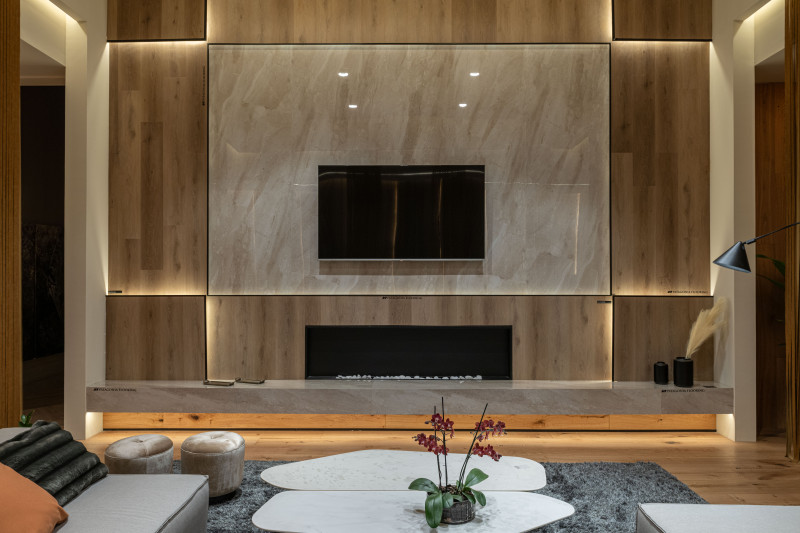
The Stone Collection, with a stone texture and tones such as ivory, sand and nickel, is another example: it lets you integrate the project while respecting the essence of the place.
Energy efficiency: reducing consumption without giving up design
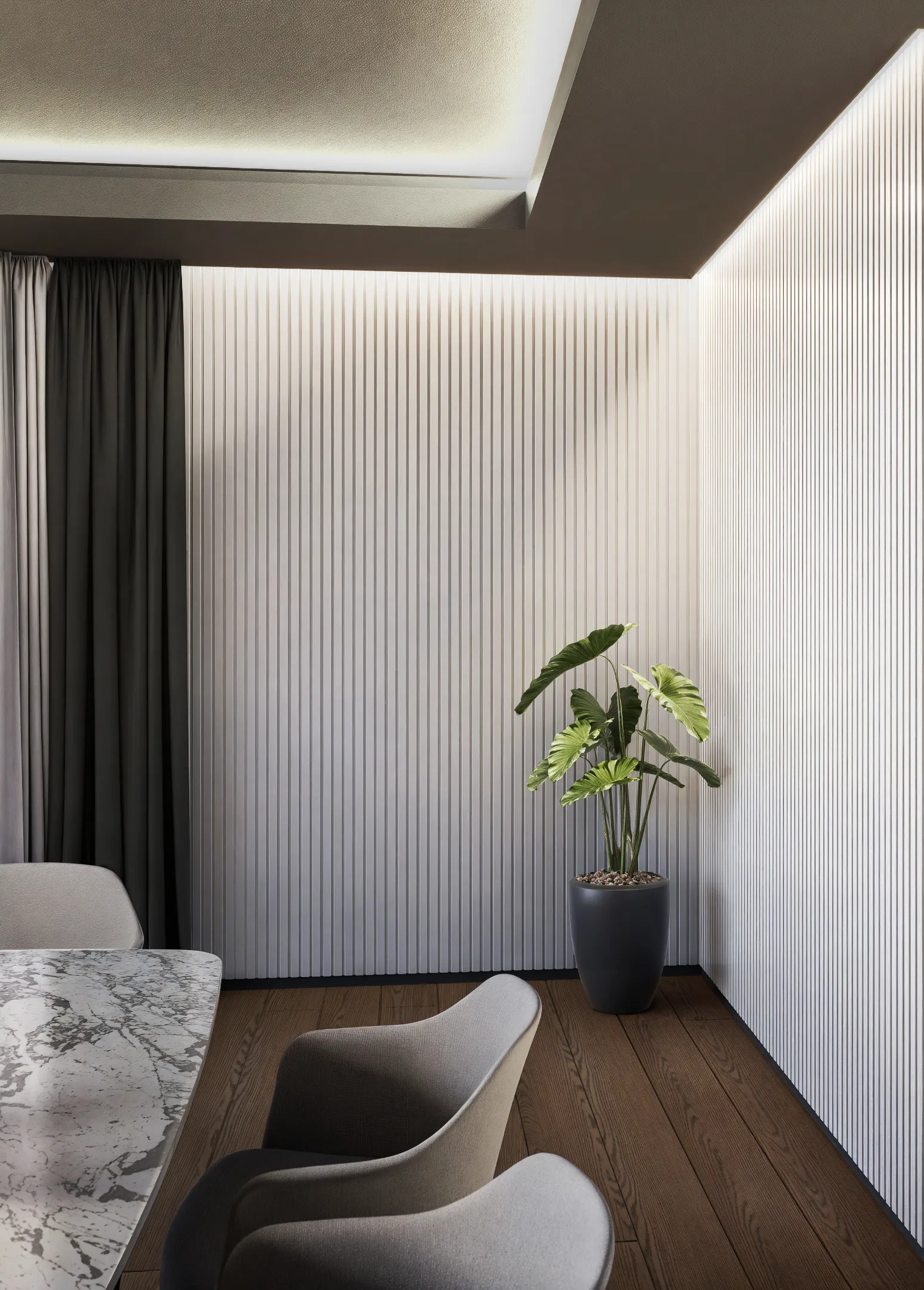
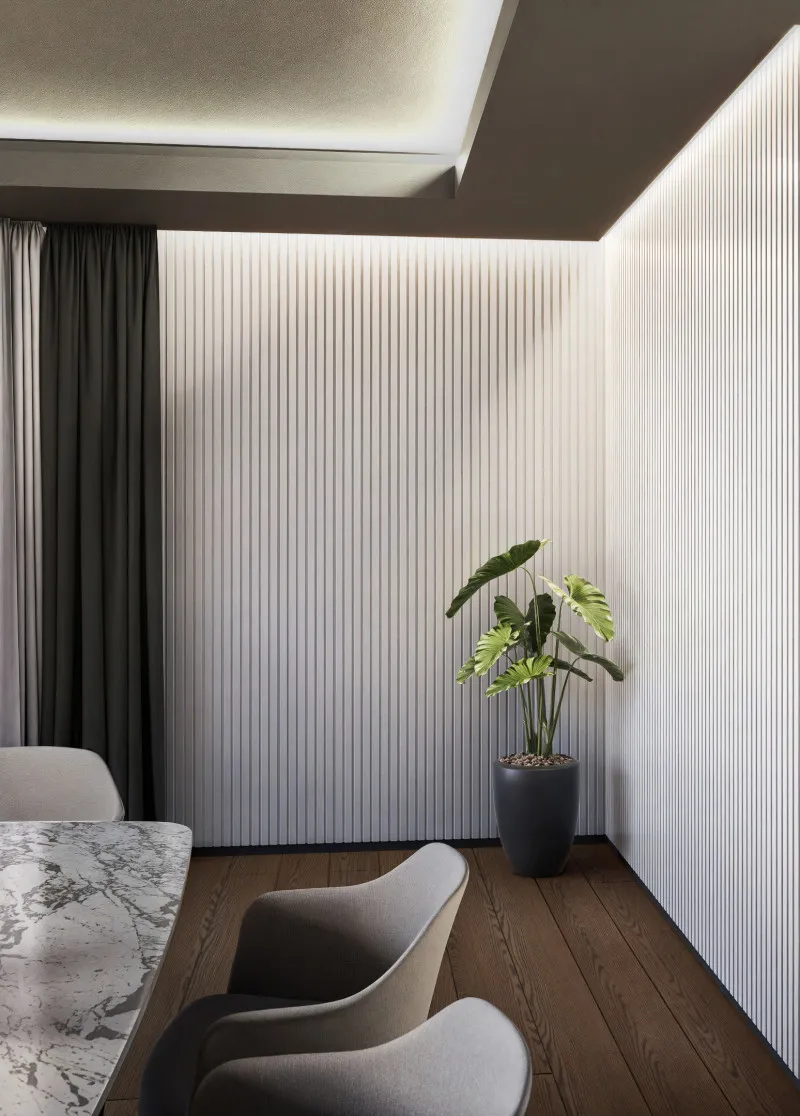
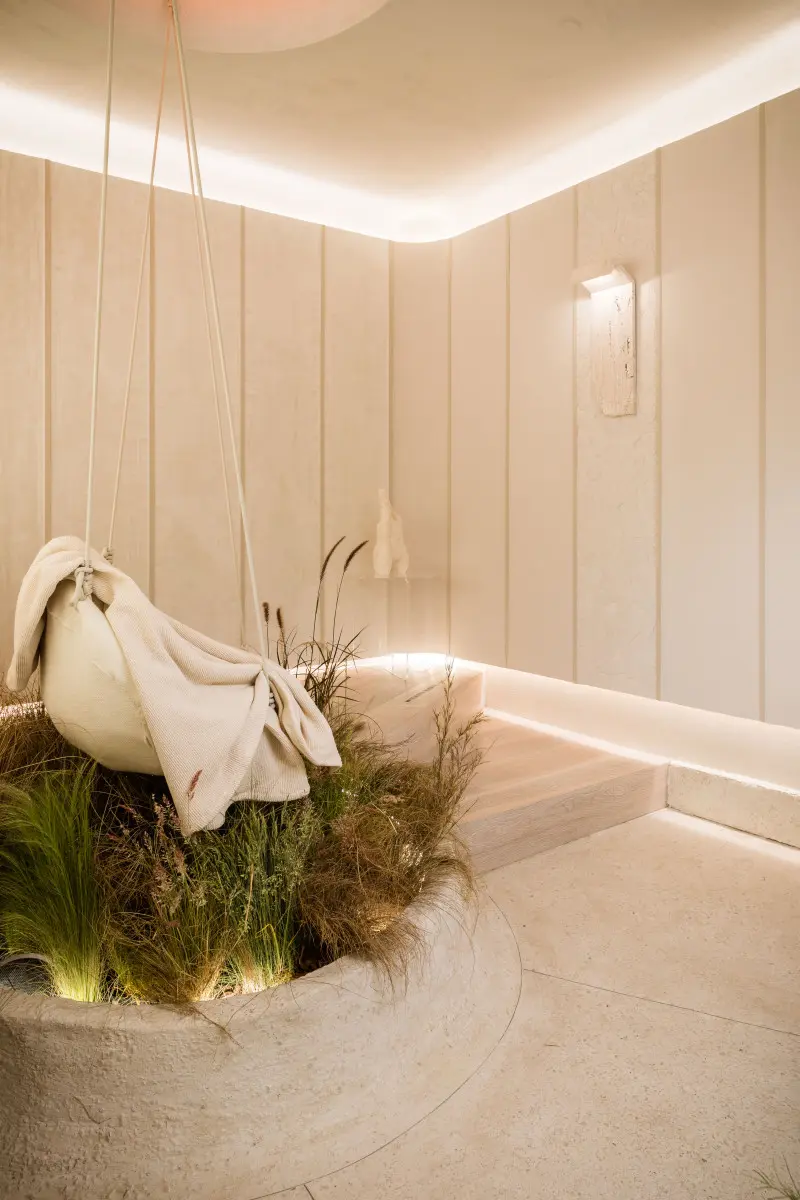
Lighting is one of the most constant electricity loads in a building. Integrating it into the architecture, instead of resolving it with additional fixtures, reduces both energy spending and the number of elements that need maintenance.
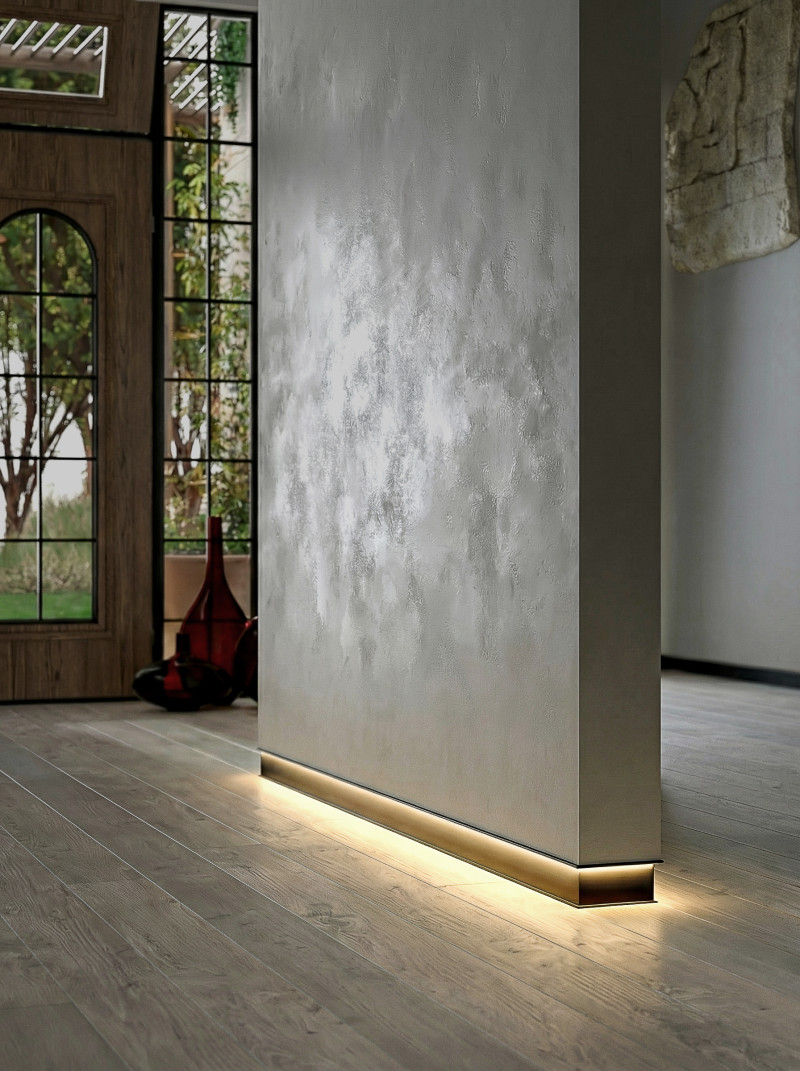
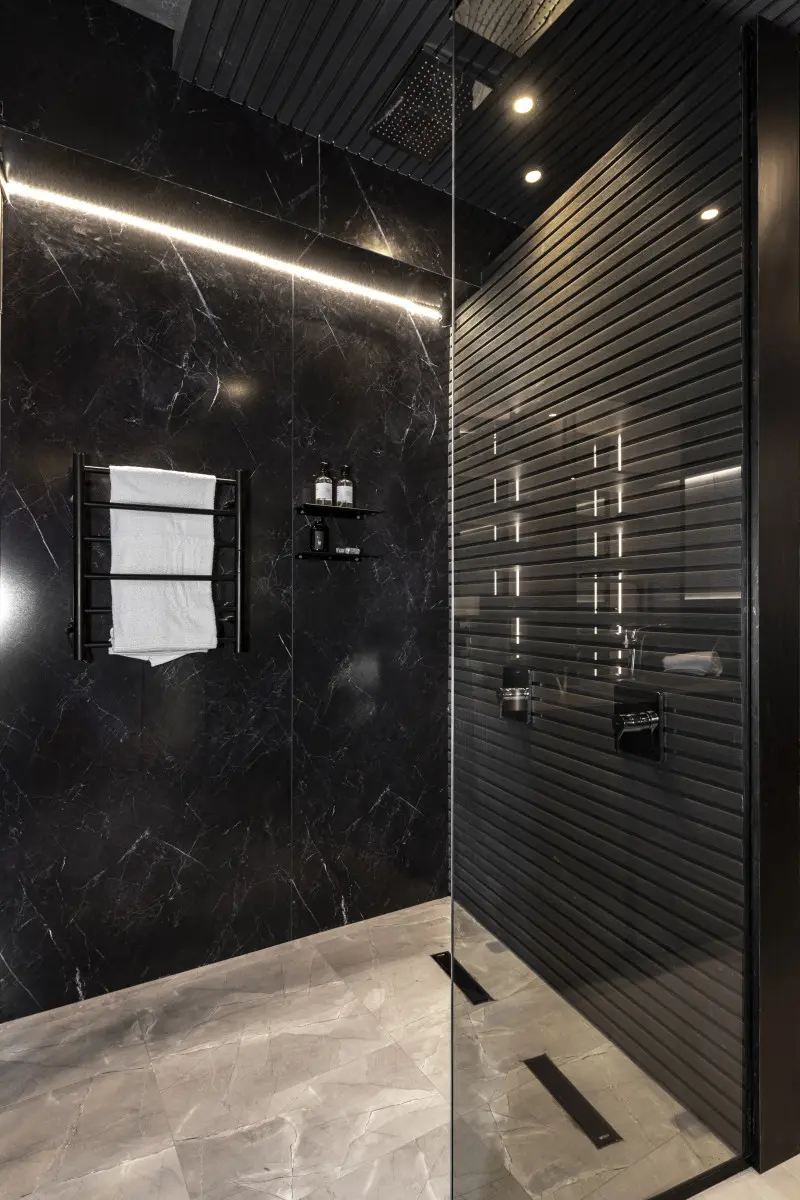
This is where the ATRIM Lumière Line comes in, taking efficiency a step further with baseboards and profiles that integrate LED lighting. The Shadow Baseboard, for example, is installed at the bottom of the wall and creates a shadow effect that gives the impression of a floating wall, with an internal channel that allows LED strips to be incorporated completely hidden from view. These systems reduce electricity consumption compared with conventional lights and create spaces with indirect, dimmable light.
The same low-consumption criterion appears in other products, such as ATRIM electric towel warmers, which keep towels warm with minimal energy use.
Water management: avoiding waste and moisture damage
Failing to consider the drainage system can lead to wasted water and damage to floors, coverings and structures that end in costly repairs.
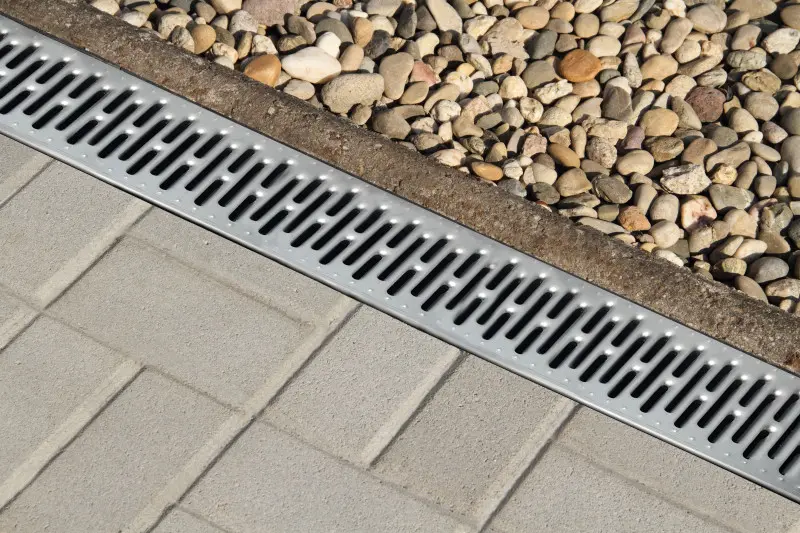
Along these lines, the ATRIM Infinity Enduro linear drain manages water efficiently: its modular design simplifies installation and handles water in outdoor areas, which prevents excess and pooling.
Well-being: how design affects the people who inhabit the space
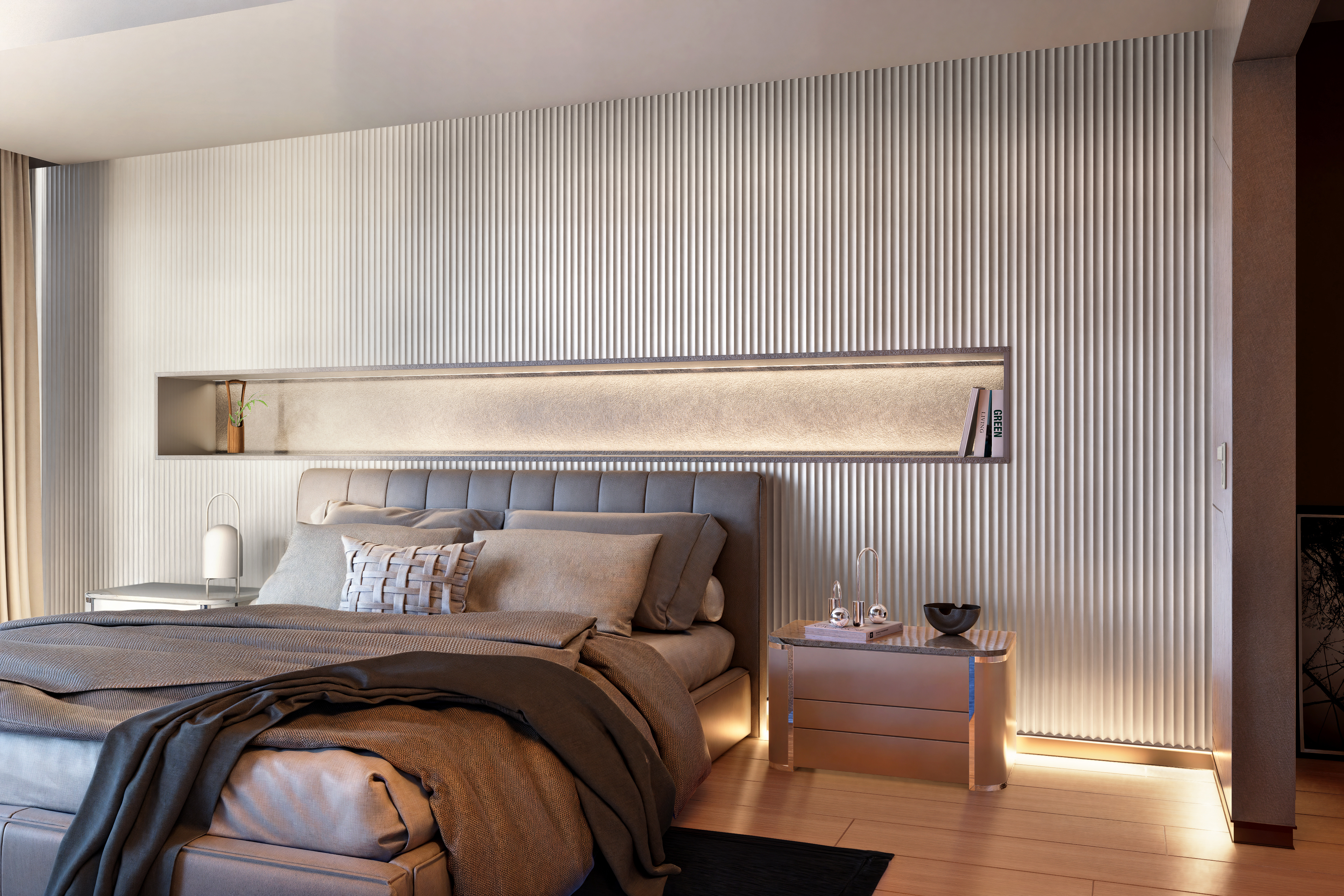
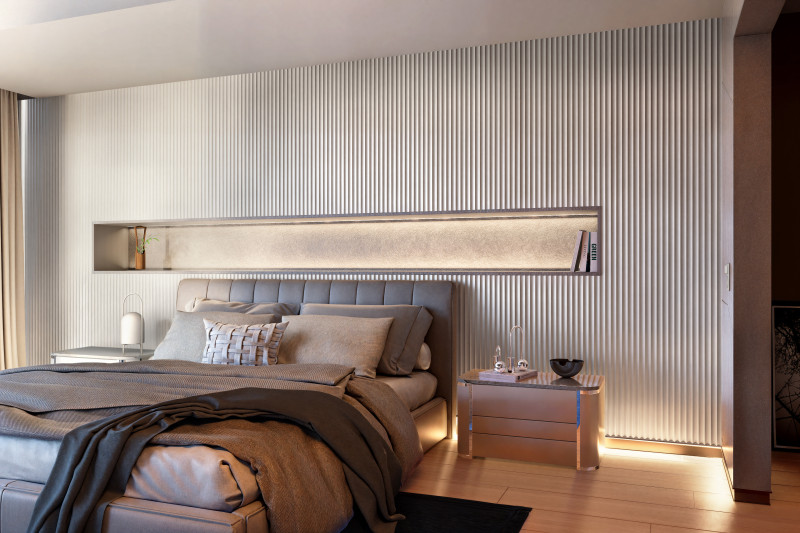
The environments we live in directly influence the emotional and physical well-being of the people who use them. Conscious design is not limited to aesthetics: every profile, every finish and every system can create a space where people feel more or less comfortable.
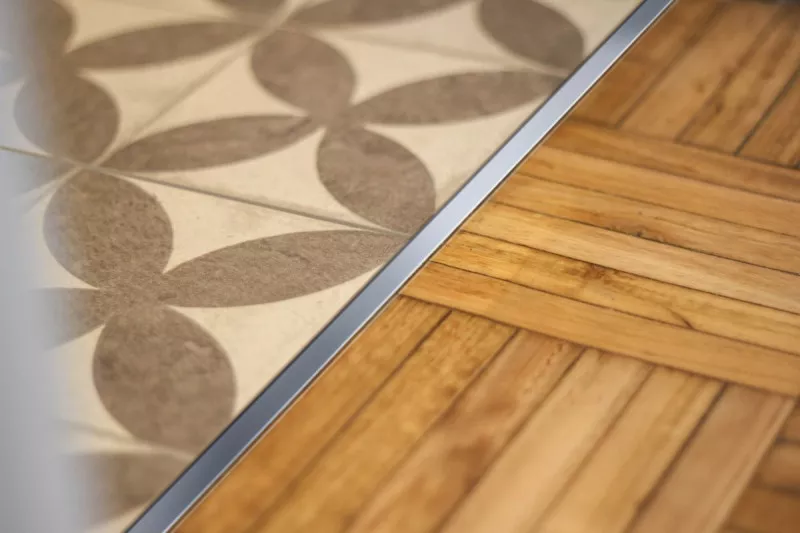
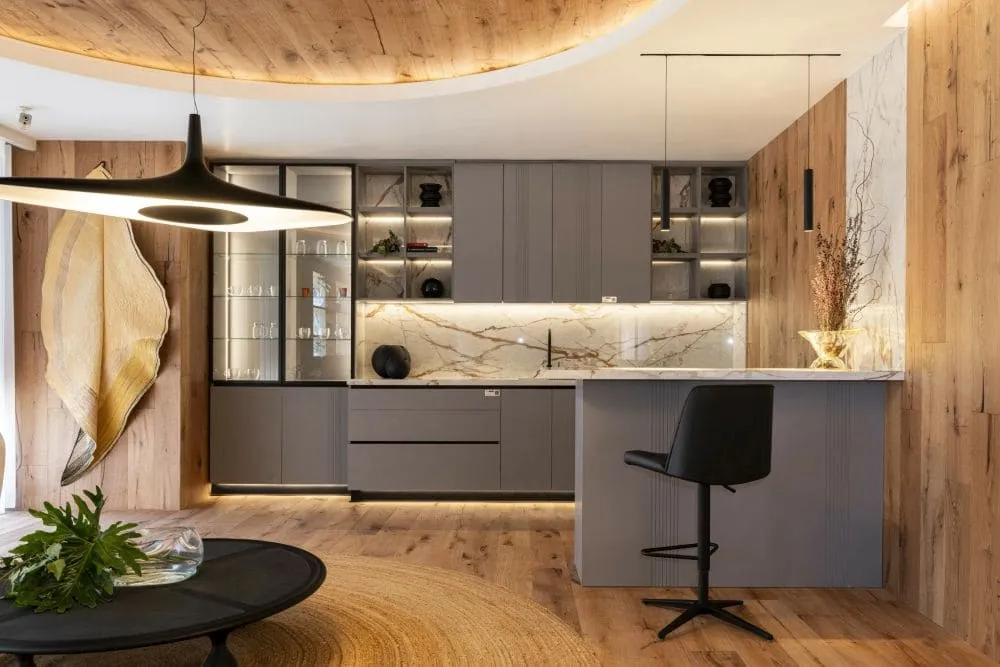
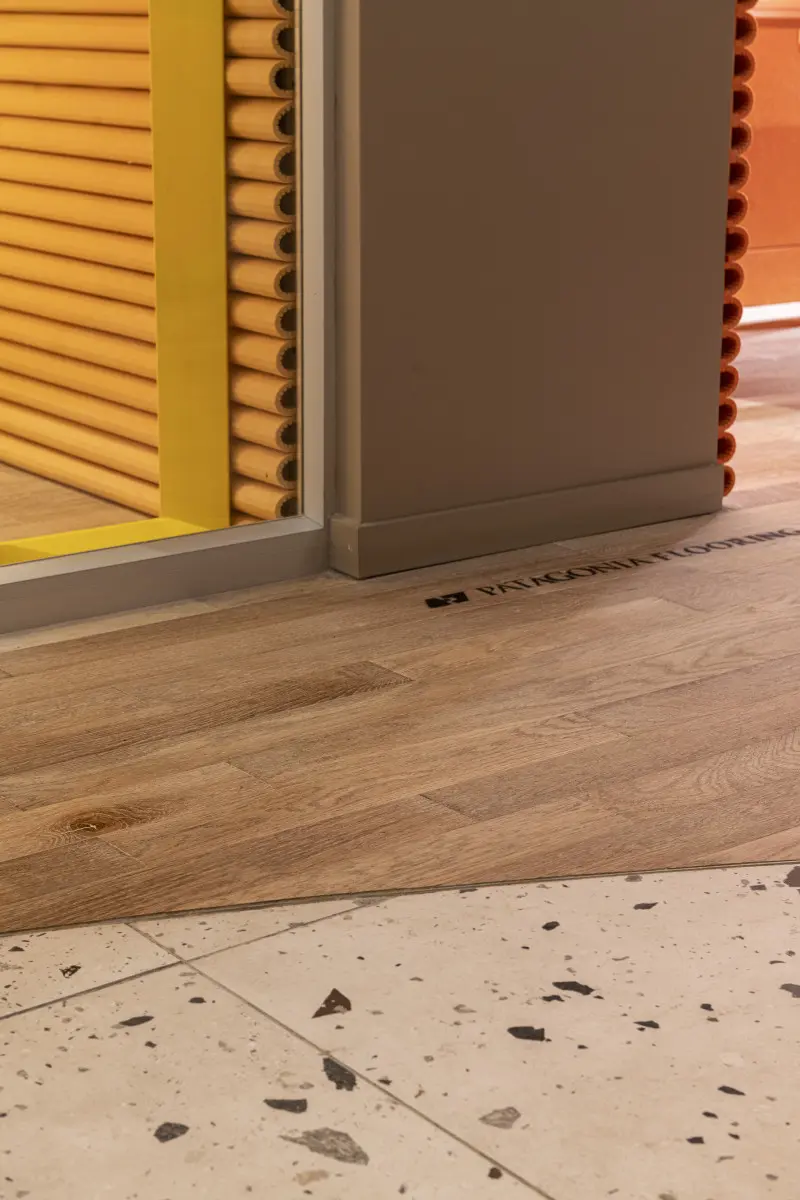
ATRIM translates this into concrete product decisions linked to sustainable architecture. Transition profiles resolve the junctions between different floors smoothly, without abrupt steps that interrupt the natural flow of the space. The wood-look finishes of the Epsilon line add visual and tactile warmth, in line with materials that feel closer and more natural than a cold or industrial surface.
Adaptability: designing so the space can change
Sustainable architecture evolves with the needs of the people who inhabit it. A conscious project is not only one that is built well, but one that can adjust over the years without requiring invasive interventions.
ATRIM’s modular systems, such as Epsilon baseboards and wall coverings, are installed with interlocking pieces that make it possible to renew or replace a specific surface without undertaking a full renovation. It is a concrete advantage when a space needs to adjust to a new use without losing what already works.


Thinking about sustainable architecture as a series of decisions
No material, system or product makes a project sustainable on its own. What defines the final result is the coherence among the materials chosen, the energy consumed, the water management, how the space feels to the people who inhabit it and its capacity to adapt when needs change.
Are you defining the materials and finishes for your next project?
Our team can help you evaluate the ATRIM solutions that best fit your proposal.