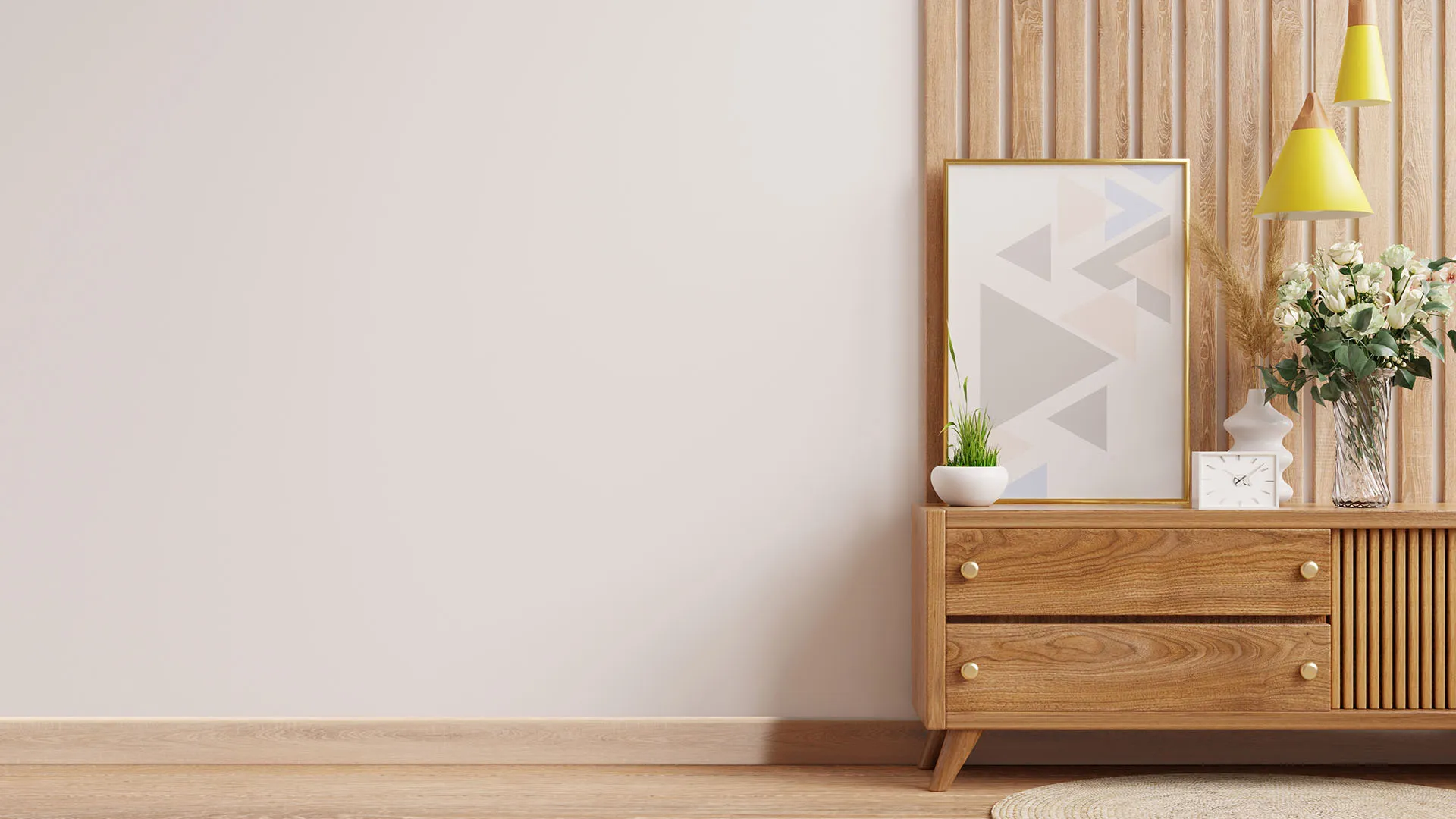
Wood-look PVC skirting boards are among the most popular choices for finishing the wall-to-floor joint, primarily due to their accessible price point and wide availability in timber tones.
However, they are not always the most durable solution for environments with high foot traffic, moisture exposure, or specific aesthetic requirements.
Whether you are deciding which skirting board to specify, sell, or install in your next project, here is a review of the main alternatives and when to specify each.
Alternatives to Wood-Look PVC Skirting Boards
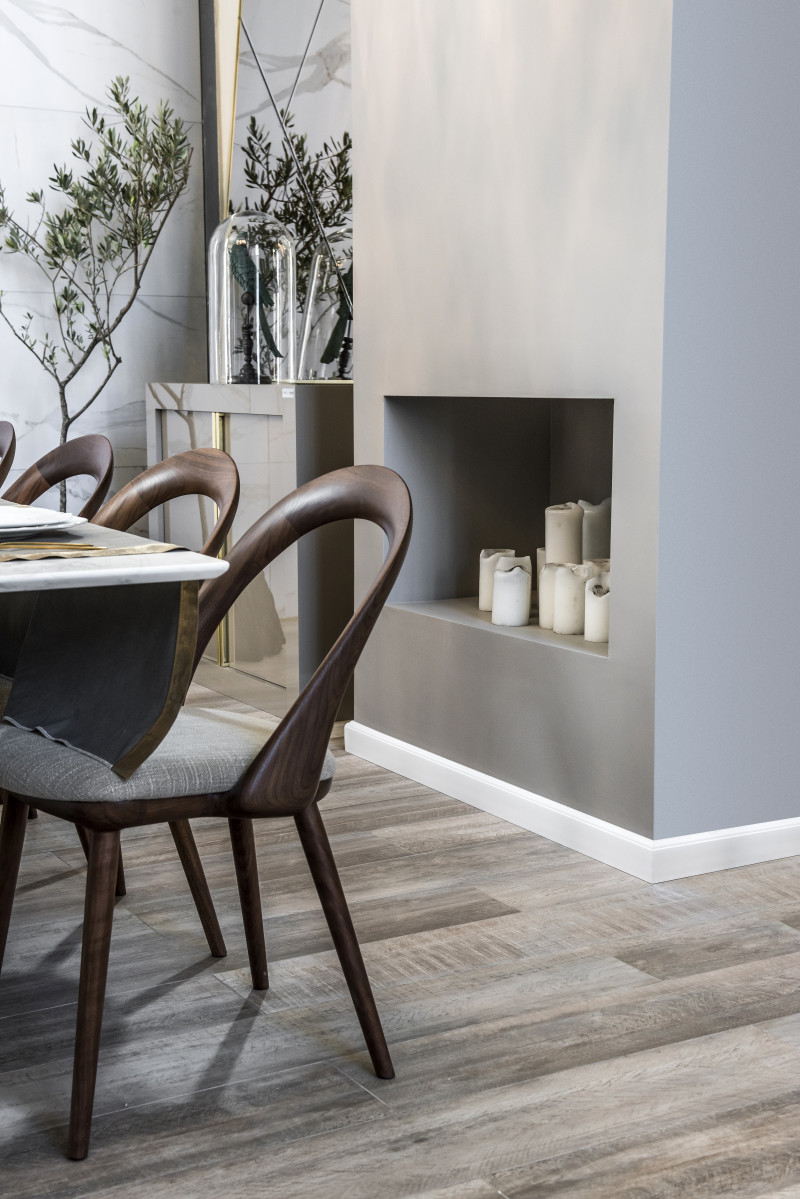
EPS Skirting Boards
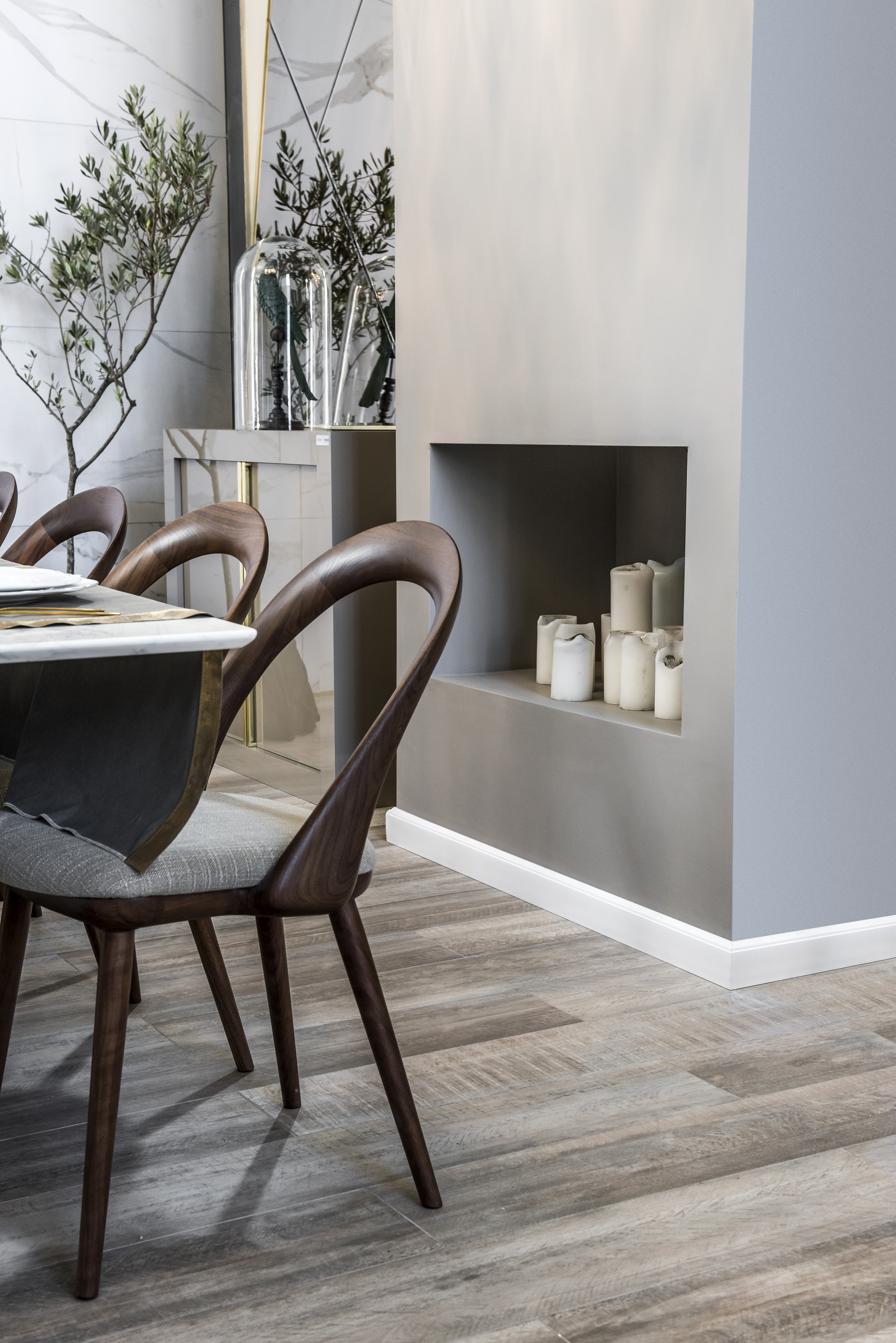
EPS (Expanded Polystyrene) skirting boards are manufactured through a process that converts recycled polystyrene waste into a rigid profile, using 95% recycled raw material.
They offer high moisture and water resistance without warping, making them an effective option for bathrooms, kitchens, and spaces featuring vinyl or porcelain tile flooring.
Installation is straightforward—requiring only a suitable adhesive or mounting clips to achieve a clean finish in minimal time. Additionally, they are immune to pests and insects, and are available in various finishes (white, black, and wood-grain) to complement different interior design styles.
Natural Wood Skirting Boards
For many projects, natural timber remains the aesthetic benchmark when seeking warmth and authentic texture.
However, natural wood requires periodic maintenance (such as varnishing or sealing) to retain its appearance, and it is highly sensitive to moisture—making it prone to swelling, warping, or cupping in humid conditions or variable temperatures. It is also more vulnerable to impacts, scratches, and pests like termites, and generally carries a higher cost than synthetic alternatives.
Metal Skirting Boards
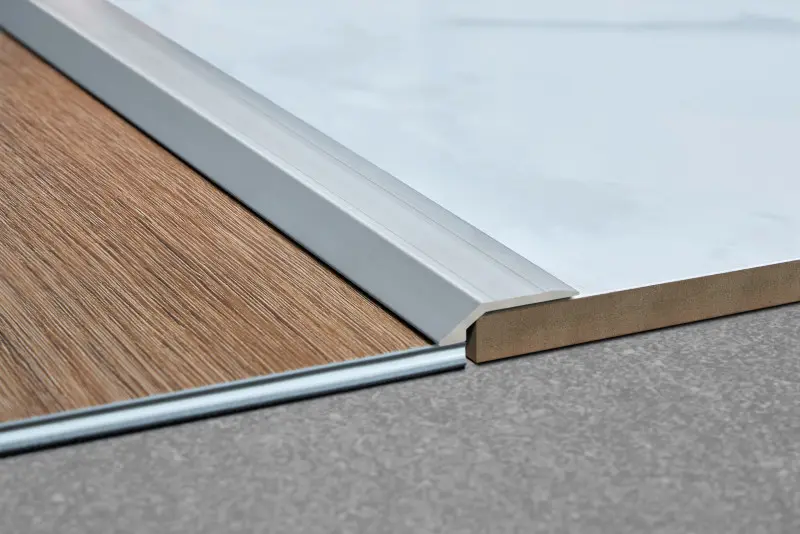
Metal skirting boards are available in stainless steel, anodized aluminum, and other premium finishes, in both polished and matte options. They are distinguished by their exceptional durability and wear resistance, making them ideal for high-traffic zones or demanding environments such as offices, retail spaces, and institutional facilities.
Installation is simple, and they integrate seamlessly with various flooring types. For a minimalist aesthetic, low-profile designs like the Slim Skirting Profile are a frequent choice. They are easily cleaned using water, neutral soap, and soft cloths, avoiding abrasive chemicals that could scratch the surface.
High-Density Extruded Polystyrene Skirting Boards
This material is produced through an extrusion process resulting in a high-density rigid polymer—distinct from conventional EPS (expanded polystyrene).
This elevated density delivers high impact resistance, superior wear resistance, and excellent mechanical properties for interior applications. This material serves as the foundation for ATRIM’s Epsilon line, detailed below.
Skirting Board Material Comparison
Criteria | Wood-Look PVC | Natural Wood | EPS Skirting | Metal Skirting | Epsilon Skirting |
Impact Resistance | Medium | Medium-Low (scratches/dents) | Medium-High | High | High (450 kg/m³ density) |
Moisture Resistance | Medium | Low (swells/warps) | High (warp-free) | High | High |
Maintenance | Low | High (periodic varnish/sealant) | Low | Low (neutral soap & water) | Low |
Wood-Look Finishes | Widely available | Original material | Limited availability | N/A (metallic finishes) | Extensive: Natural Oak, Grey Oak, Dark Oak, Walnut |
Why Epsilon Is the Superior Alternative to PVC Skirting Boards
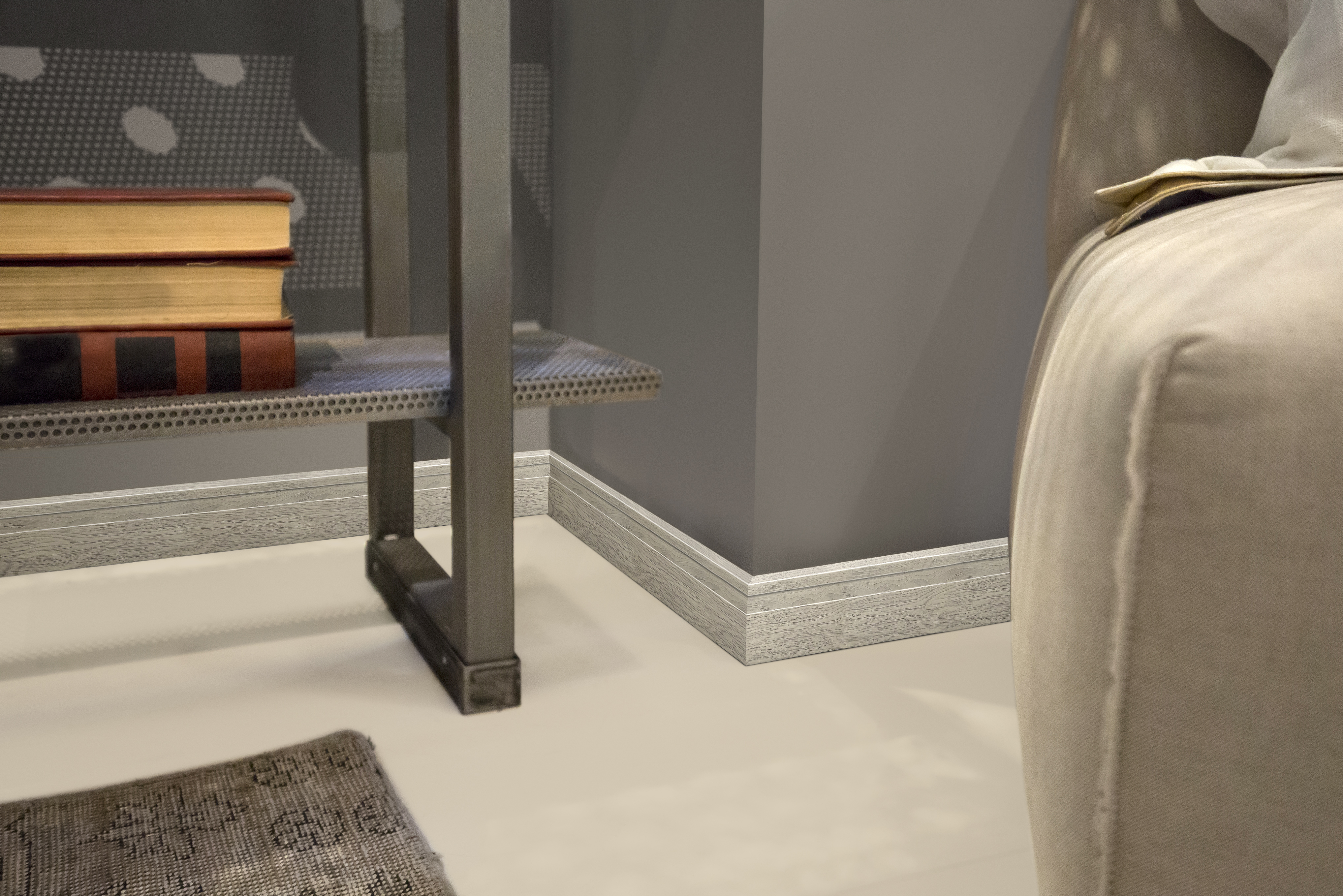
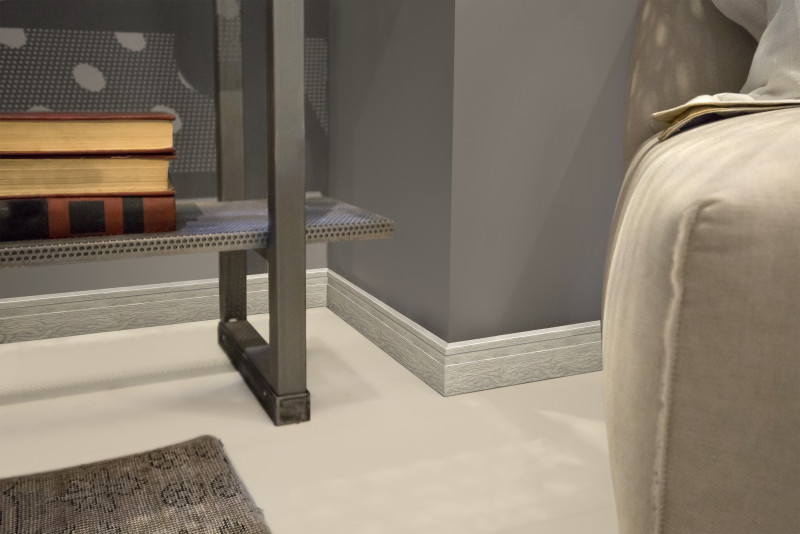
ATRIM’s Epsilon skirting boards are neither traditional PVC nor conventional EPS: they are manufactured from a rigid, high-density polystyrene polymer engineered through a specialized extrusion process to achieve a density of 450 kg/m³.
This structural density delivers exceptional impact and wear resistance—ideal for concealing wall-to-floor expansion joints and masking minor substrate imperfections without sacrificing performance over time.
Depending on the specific model, the line also offers water resistance, anti-mold protection, scratch resistance, insect-proof properties, and realistic wood-grain textures. They are installed using PRO-FIX adhesive, neutral silicone, or solvent-free contact adhesive applied directly to the rear of the profile and pressed against the wall-floor junction—a process engineered for single-visit job-site execution.
In terms of aesthetics, Epsilon is available in Matte White, White, Grey, Matte Black, Walnut, Grey Oak, Natural Oak, Dark Oak, and Matte Mink: delivering the versatility of wood-grain finishes expected from PVC, but backed by a higher-density, highly durable material.
Which Epsilon Skirting Model to Specify?
Model selection depends on the design language of the space and the desired finish detail:
- Plain Skirting Board: A clean, flat profile with straight lines, available in Natural Oak, Grey Oak, Dark Oak, Walnut, as well as Matte White and Paintable White. The most versatile option for integrating across diverse design schemes.
- Line Skirting Board: Features a subtle raised linear accent for a modern, contemporary design.
- Extra Line Skirting Board: A higher profile (100 mm) designed to anchor spaces with strong character; available in Matte White, Matte Black, Matte Mink, and Concrete finishes.
- Maxi Line Skirting Board: At 150 mm, this option is ideal for large-scale spaces requiring grander architectural proportions.
- Curves Skirting Board: Delivers a continuous transition to the wall for a softer, seamless finish.
Square Skirting / Architrave: A 50 mm flat profile engineered to function as both a skirting board and a door casing/architrave. - Reforma Line Cover Skirting: Designed for retrofit application directly over existing skirting boards—ideal for renovations without the need to demolish prior installations.
- Paloma (Ogee) Skirting Board: A traditional curved profile for projects requiring a classic aesthetic finish.
If you need technical guidance on selecting the ideal model and finish for your project, the ATRIM technical team offers personalized specification assistance.