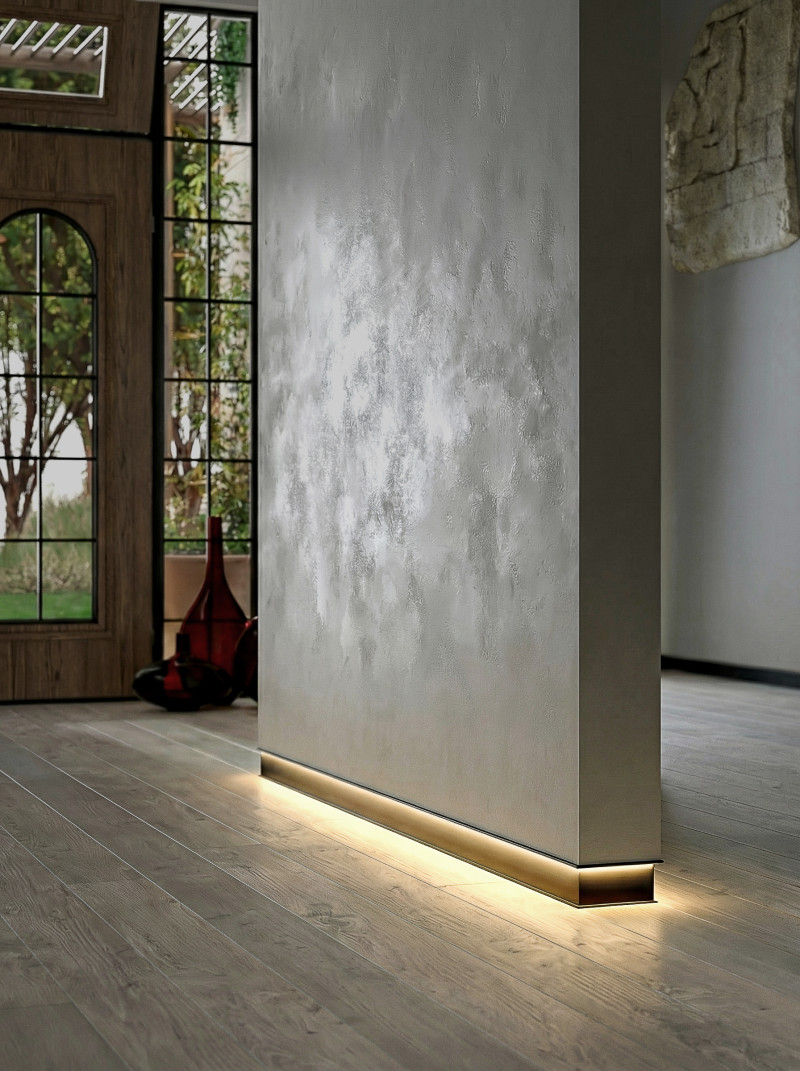
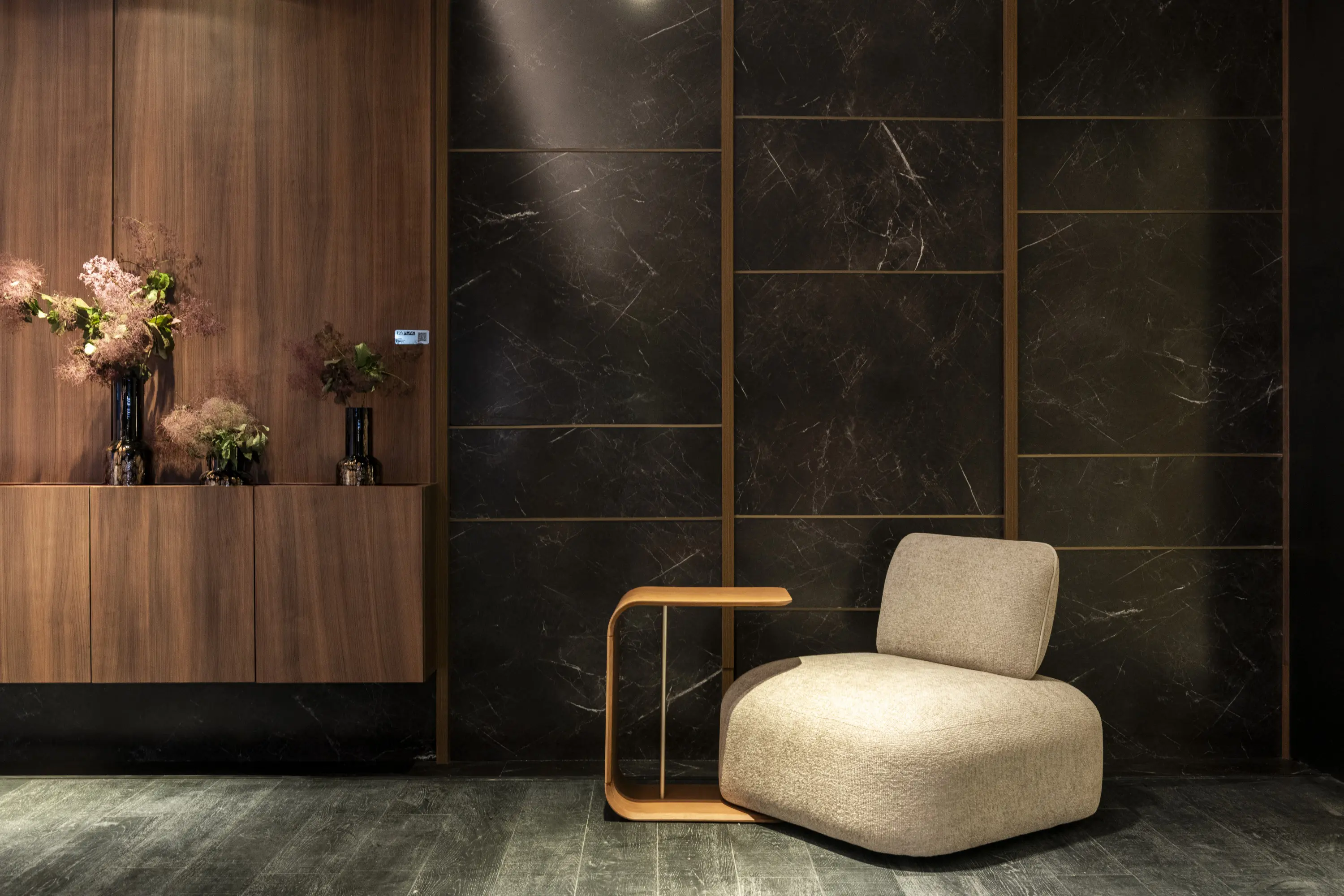
Decorative aluminum and stainless steel profiles serve different purposes in contemporary architecture. Aluminum stands out for its versatility, light weight, and wide range of finishes, while stainless steel offers maximum durability and mechanical resistance.
This ATRIM technical analysis explains when to choose each material based on the project type, operating conditions, and the 2026 trends in architectural finishes.
Precision, aesthetics, and performance in contemporary architecture
Key differences between aluminum and stainless steel profiles
In architectural design and construction, decorative profiles have become essential components. They provide definition and visual clarity while ensuring protection and continuity between materials. However, selecting the right profile requires understanding the technical and project-specific differences between materials.
Aluminum profiles and stainless steel profiles are the most widely used in contemporary architecture. Each material offers distinct advantages and responds to different needs depending on the type of project, exposure conditions, scale, and the expected level of durability.
As 2026 design trends advance, the choice between one or the other is no longer purely functional—it shapes the character of the project. The finish—whether polished, satin, painted, or anodized—communicates as much as the texture of a wall cladding or the way light interacts with a surface.
Below is a practical comparison based on real construction scenarios.
Use
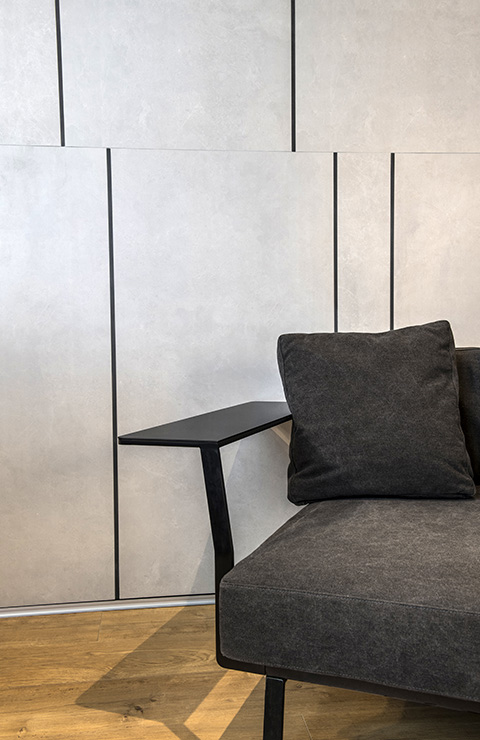
Aluminum is primarily a versatile material. Its malleability allows for profiles in various thicknesses and geometries, making it ideal for interior applications or low-stress conditions. It is commonly used on ceramic tile edges, wall terminations, corner profiles, decorative trims, and skirting.
Stainless steel, by contrast, is chosen for contexts requiring higher mechanical, chemical, or thermal resistance. It is the standard material for high-traffic zones, façades, industrial kitchens, public bathrooms, laboratories, or environments with constant moisture exposure.
Technically, the key differences lie in material composition:
Anodized aluminum profiles feature a protective surface layer that improves wear and oxidation resistance, but cannot match the robustness of stainless steel when exposed to corrosive agents.
Stainless steel profiles (AISI 304 or 316) retain their structural integrity even under prolonged exposure to water, steam, or chemicals, making them suitable for exterior applications or coastal environments.
Aluminum offers flexibility and adaptability, while stainless steel provides long-term stability and durability under extreme conditions.
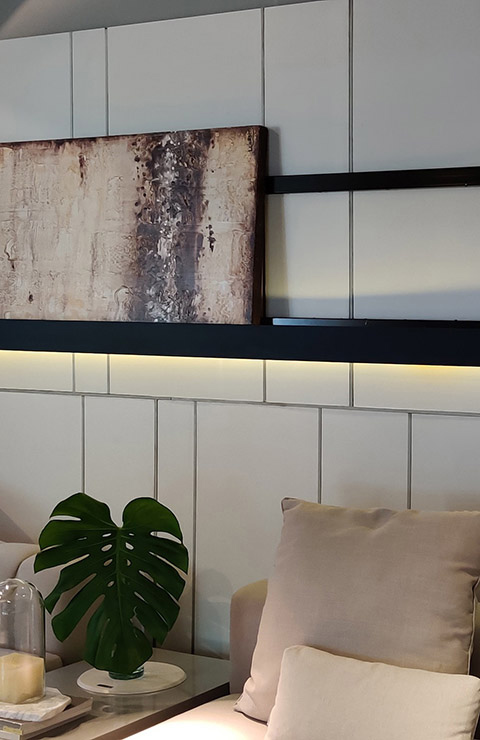
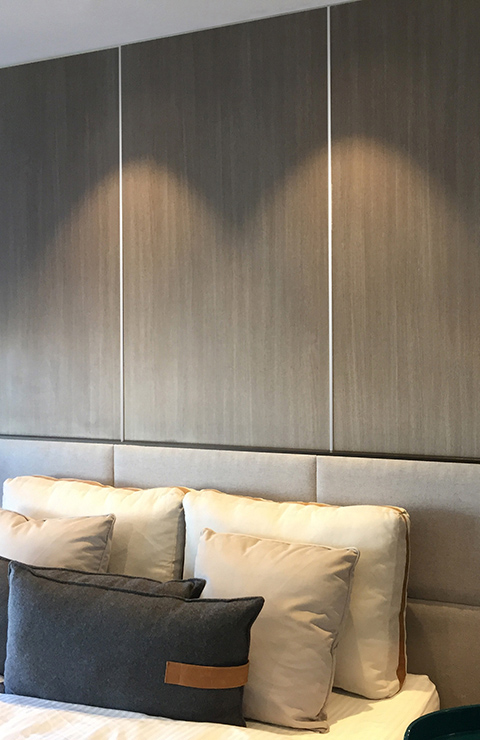




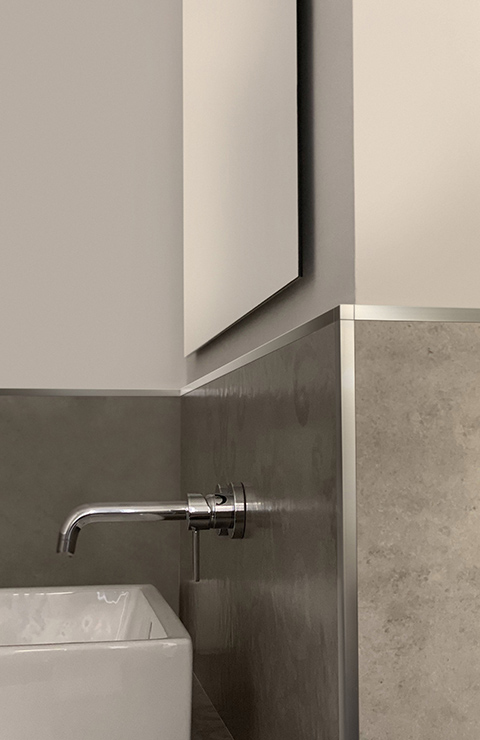
Durability
The durability of a profile depends not only on the material itself, but also on its environment, maintenance, and intended use. In general:
Stainless steel offers an exceptionally long service life with virtually no maintenance. AISI 304 and 316 alloys ensure resistance to corrosion, impact, and UV aging. For this reason, it is considered a long-term investment.
Anodized or coated aluminum provides good resistance to oxidation and wear, as long as it is not exposed continuously to moisture or salty environments. Its main advantage lies in the balance between lightness and reasonable durability, making it suitable for interiors and residential applications.
Appearance and design
In design terms, the differences between both materials are not only visual but also sensorial.
Stainless steel conveys solidity, purity, and industrial precision. Its satin or mirror finishes offer a neutral, contemporary reflection—ideal for minimalist, corporate, or high-end projects. It is associated with hygiene, durability, and timelessness.
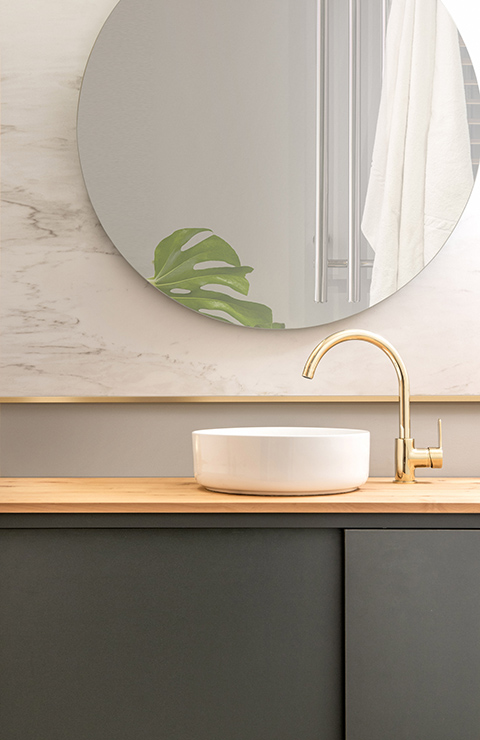
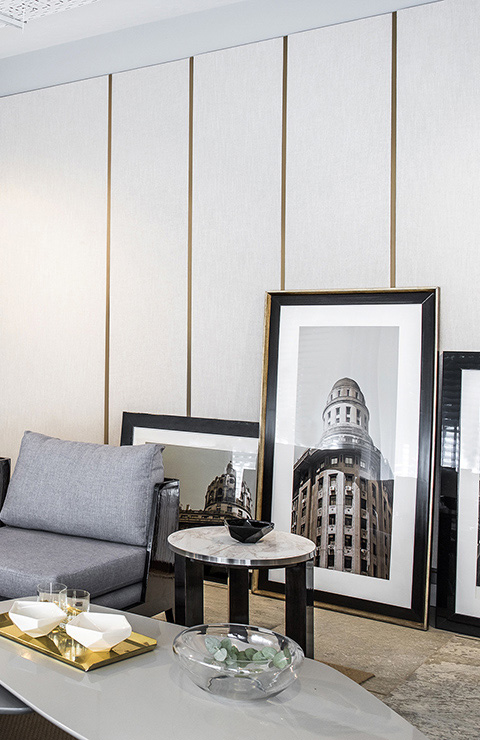
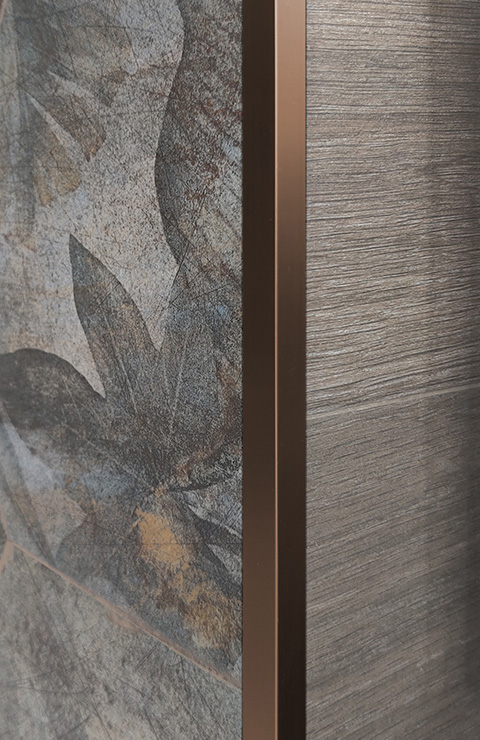
Aluminum, on the other hand, offers broader aesthetic versatility. Through anodizing or powder coating, it can be produced in a wide range of colors—from classic silver to black, titanium, gold, or bronze. This customization makes it a key element in decorative, retail, or residential applications where color reinforces the identity of the space.
Both materials allow for clean lines and precise junctions. Stainless steel expresses technical sobriety, while aluminum enables a more flexible and visually adaptable language.
Recent interior architecture trends favor a combination of both: stainless steel for wet or high-traffic zones, and colorized aluminum for walls, skirting, and furniture—balancing durability with expressive materiality.
Lightness
Material density directly impacts handling, transport, and installation.
Aluminum is extremely lightweight, with a specific weight of about 2.7 g/cm³, compared to 7.9 g/cm³ for steel. This makes it three times lighter, resulting in faster installation and reduced physical effort on site.
For builders and distributors, this lightness is a logistical advantage: more volume can be transported at lower cost, and installers can handle the material easily without heavy tools.
Stainless steel, while heavier, offers rigidity and a sense of permanence that is essential for components exposed to direct contact or intensive use.
In projects where component weight is a determining factor—such as renovations or interiors with lightweight systems—aluminum allows faster, more efficient installation. When robustness is the priority, stainless steel remains the technical benchmark.
Value
The value of each material should not be judged by initial cost alone, but by its entire life cycle.
Stainless steel has a higher upfront cost, but its resistance and stability make the investment pay off over time. In institutional or high-traffic projects, its low maintenance and long life fully justify the choice.
Aluminum has a lower initial cost, making it an effective option for large-scale projects, residential developments, or spaces where aesthetics are prioritized and exposure is moderate.
Globally, the trend is shifting toward evaluating the Total Cost of Ownership (TCO) rather than initial price. Value is measured by the balance between investment, maintenance, performance, and aesthetics over time. Under this logic, both materials deliver technical and economic efficiency when chosen strategically and with accurate specifications.
When should you choose aluminum profiles or stainless steel profiles?
The decision depends on the context of use, the scale of the project, and the expected lifespan of the material.
Choose aluminum profiles when:
The project requires light weight and quick installation.
You need a wide palette of anodized finishes and colors.
The application is indoors or in a controlled-exposure environment.
You’re looking for a balance between design, cost, and versatility.
Choose stainless steel profiles when:
The project demands maximum resistance to moisture, impact, or temperature.
It is a public, hospitality, sanitary, or coastal environment.
Long-term maintenance is a critical factor.
You want a sober, technical, and long-lasting aesthetic.