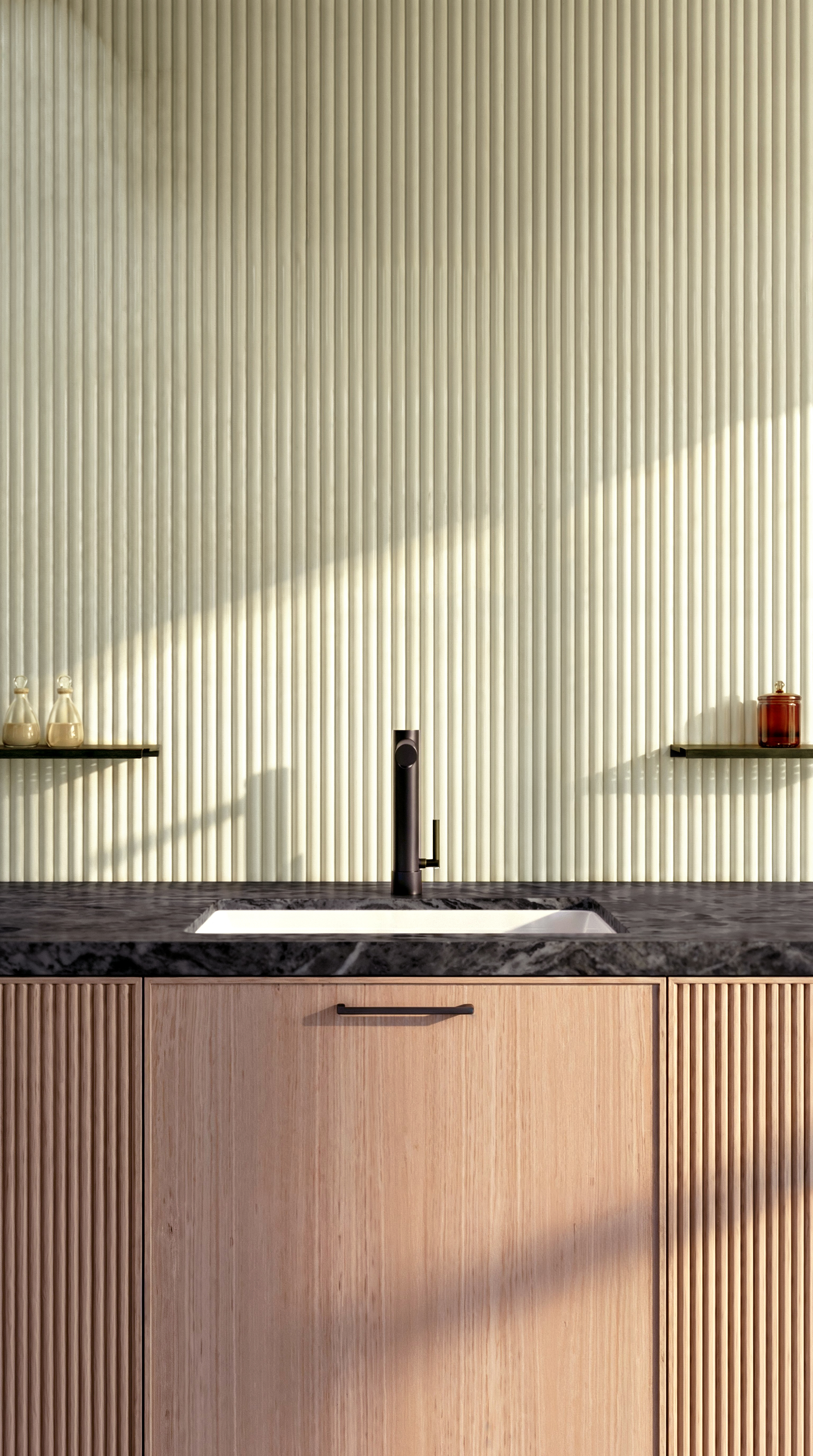
A practical guide for specifying wall cladding in architecture and interior design with a 2026 outlook. It includes the ATRIM Epsilon system — lightweight, modular, paintable, and resistant to impacts and moisture — along with a comparative analysis of wood, ceramic/porcelain tile, wallpaper, paint, stone, brick, microcement, and metal/composite cladding.
It outlines key selection criteria: use and traffic level, substrate preparation, thickness/weight, maintenance requirements, aesthetic coherence, construction timelines, and sustainability. The guide concludes with Epsilon’s differential advantages for residential, commercial, and corporate projects seeking technical performance, fast installation, and aesthetic value.
Types of Wall Cladding: Pros and Cons
Epsilon
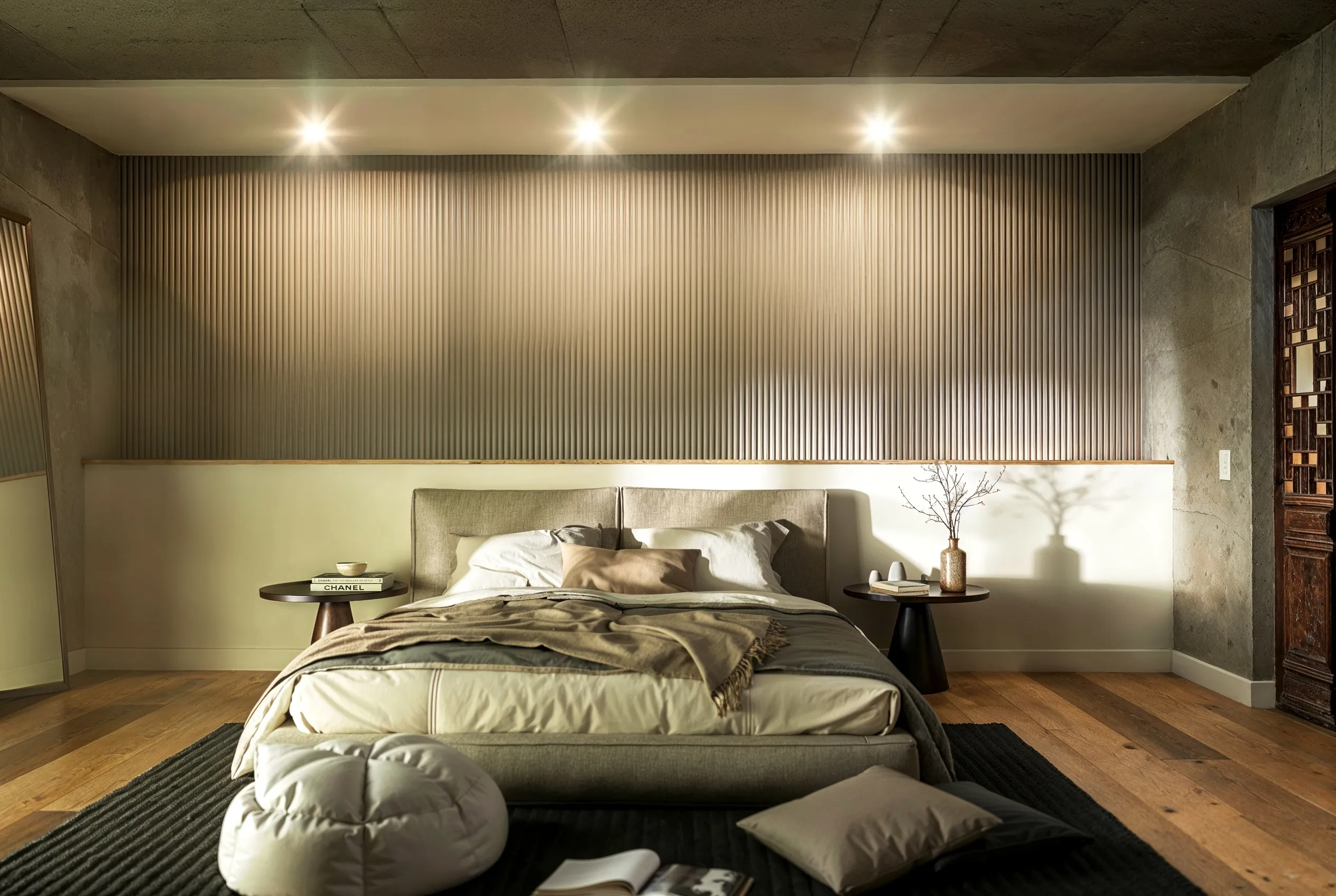
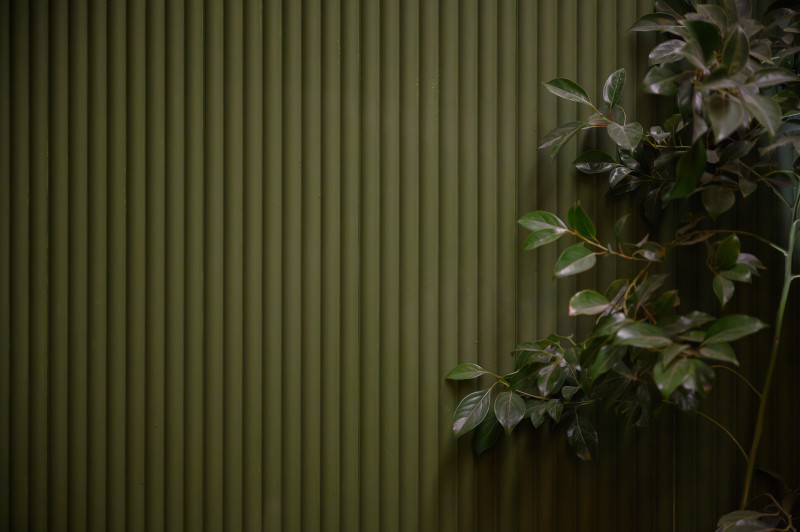
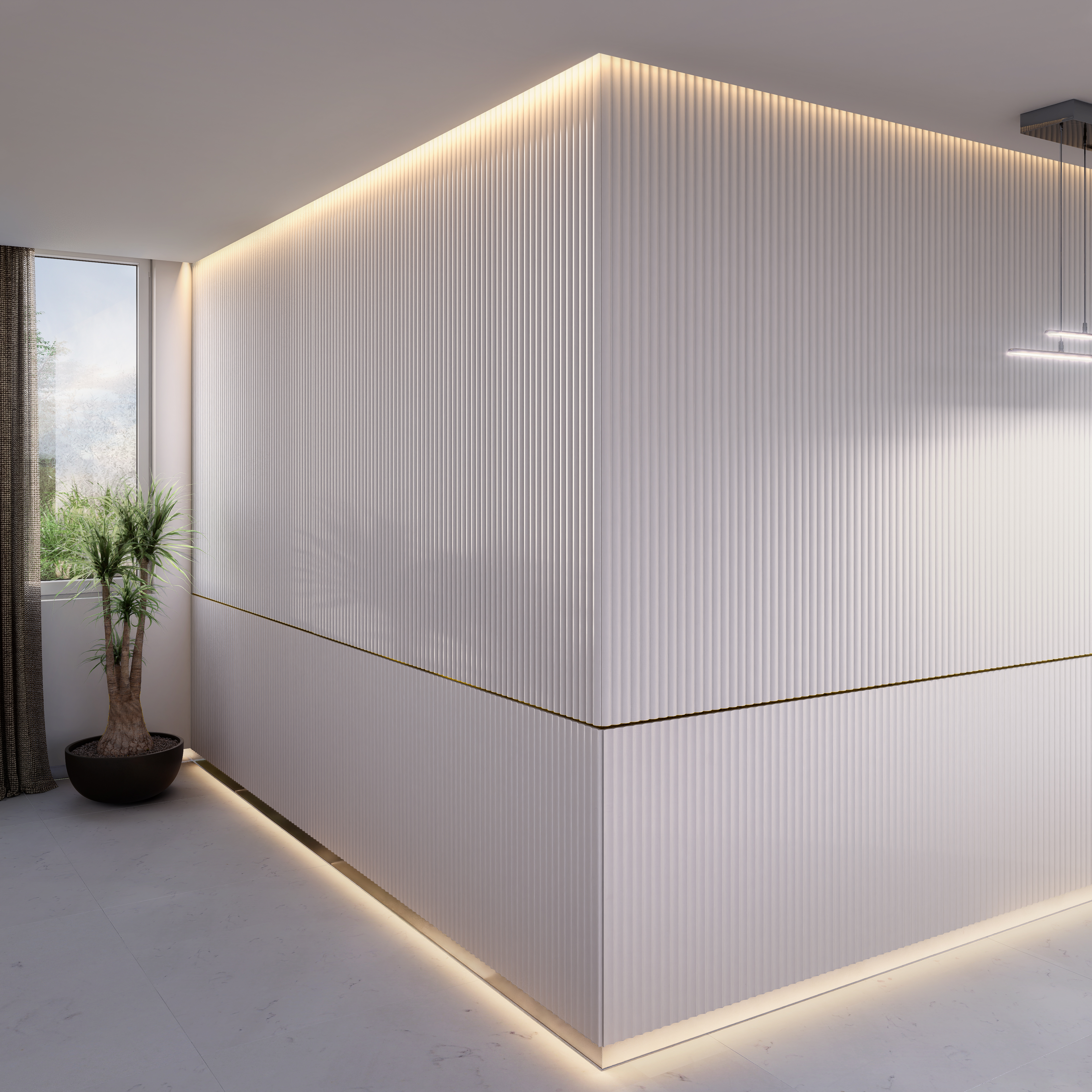
The ATRIM Epsilon system offers a modular wall-cladding solution that combines design, texture, and technical performance.
Main features
Manufactured with high-density extruded polystyrene (XPS) and a closed-cell structure, providing excellent resistance to impact, moisture, and deformation.
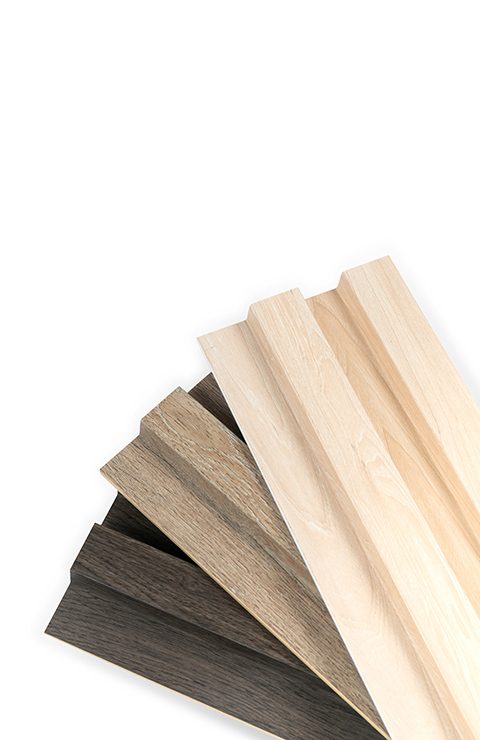
Available in two formats: Slim (thinner profile) and Wide (broader lines and soft curves) to achieve different visual effects.
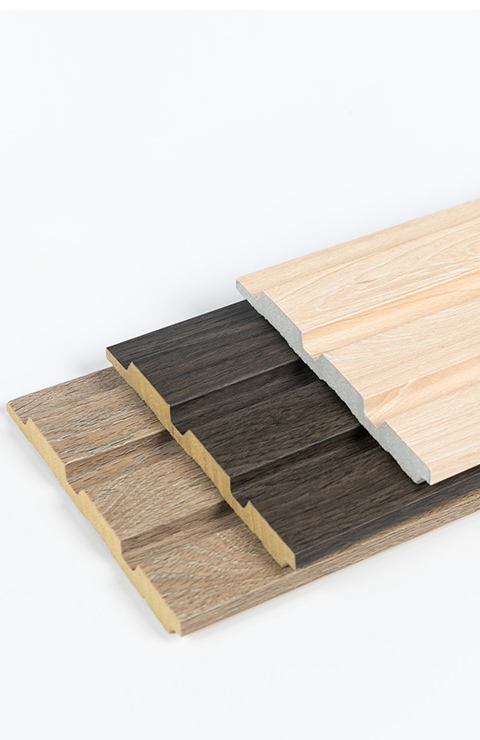
Finishes: matte paintable white, natural oak, dark oak, walnut.
Lightweight, easy to install, recyclable, and dimensionally stable.
Applications
Ideal for projects requiring refined aesthetic integration, interior-design partnerships, renovation of existing spaces, and contexts where quick installation and premium finishes are a priority — such as high-end residential areas, technical offices, commercial spaces, and hospitality projects.
Technical considerations
Ensure the wall is level, structurally suitable, and properly prepared.
Verify the correct adhesive and installation trims (Epsilon includes start and end trims).
Avoid aggressive cleaners such as bleach, acids, or solvents.
Wood
Wood wall cladding adds warmth, natural texture, and an aesthetic language highly valued in interior design.
Common types
Solid wood panels (oak, walnut, pine, etc.)
Slatted or batten-style wood linings
Veneered decorative panels
Advantages
Strong aesthetic impact with natural grain, tones, and organic variation.
Good acoustic performance when installed with appropriate backing.
Ideal for high-end residential projects, warm technical offices, and boutique environments.
Disadvantages / care
Sensitive to moisture and temperature changes (cracking, swelling).
Requires ongoing maintenance (varnish, oils, refinishing).
Installation can be more complex and costly.
Recommended use
Best for spaces where natural materiality should be emphasized, and where humidity and abrasion conditions are controlled. Can be combined with other materials for contrast.
Ceramic and Porcelain Tile
A classic wall-cladding choice for bathrooms, kitchens, wet areas, and commercial environments.
Characteristics
Ceramic: glazed pieces, generally smaller and less resistant.
Porcelain: denser, harder, less porous — suitable even for high-traffic vertical surfaces.
Advantages
Highly resistant to moisture, abrasion, and stains.
Wide variety of formats, sizes, colors, and textures (including wood- or stone-look).
Easy to clean and maintain.
Considerations
Check adhesive system, joints, and substrate conditions.
Can feel visually “cold”; lighting and textiles help soften the aesthetic.
Large-format tiles and minimal-joint layouts are trending for continuous surfaces.
Wallpaper
Wallpaper offers a decorative solution where pattern, illustration, and texture stand out over heavy materiality.
Characteristics
Can be custom printed with patterns, visual textures, or optical effects.
Less invasive installation (requires a smooth and properly prepared substrate).
Advantages
Exceptional aesthetic versatility — fits classical, modern, or artistic styles.
Ideal for accent walls and visual focal points.
Limitations
Not recommended for high-traffic or wet areas.
Requires a clean, smooth, dry substrate.
Lower durability than rigid materials like ceramic or stone.
Paint
Paint is the most basic and economical wall finish — yet one of the most versatile in interior architecture.
Types
Matte, satin, or gloss.
Technical coatings: washable, anti-humidity, anti-mold.
Advantages
Allows frequent updates at low cost.
Offers maximum flexibility in color and atmosphere.
Quick installation with minimal disruption.
Limitations
Does not provide texture unless using textured coatings.
May require touch-ups in areas subject to wear.
Stone
Natural stone introduces character, raw materiality, and strong texture.
Advantages
Long-term durability and stability.
Premium, timeless aesthetic — each piece is unique.
Excellent resistance to intensive use.
Disadvantages
Heavy — requires proper structural support.
Higher installation cost and longer timelines.
Limited flexibility for future changes.
Brick
Exposed brick or brick veneer conveys an industrial, robust, textured architectural character.
Advantages
Aesthetic strength, especially in loft-style or industrial projects.
Traditional, reliable, recognizable material.
Technical considerations
Proper joints and waterproofing are essential.
Can feel visually heavy — balance with light elements.
Microcement
Microcement is a thin, continuous coating that creates seamless surface finishes.
Advantages
Highly contemporary monolithic aesthetic.
Wide range of colors, textures, and sheens.
Can be applied over existing surfaces with minimal thickness.
Technical notes
Requires specialized labor to ensure adhesion, crack control, and proper sealing (especially in wet areas).
More expensive than paint but cheaper than high-end stone or solid wood.
Metal or Composite Cladding
Less common in standard residential interiors but increasingly used in technical, commercial, and corporate spaces.
Advantages
Sophisticated matte or reflective finishes.
High durability, impact resistance, and easy cleaning.
Strong identity value for corporate environments.
Considerations
Higher cost, higher installation complexity (fasteners, profiles, expansion joints).
More industrial aesthetic — requires intentional integration to avoid visual “coldness.”
Guidelines for Selecting Wall Cladding
Choosing the right wall cladding requires evaluating functional, aesthetic, and budget factors. Key criteria include:
1. Use and traffic level
Determine whether the wall will be exposed to humidity, impacts, abrasion, or heavy use.
For demanding areas: ceramic tile, porcelain tile, stone, or technical systems like Epsilon.
For decorative zones: wallcoverings, paint, or lightweight panels.
2. Condition of the substrate
The substrate defines the quality and durability of the finish.
Irregular, damp, or poorly bonded walls compromise any cladding.
Systems like Epsilon require a clean, flat, properly prepared surface.
3. Thickness and weight of the material
Stone and brick add structural load and require proper support.
Thin alternatives—microcement, metal panels, or Epsilon—allow cladding without adding excessive thickness.
4. Maintenance and cleaning
Consider the environment: residential, commercial, sanitary, or corporate.
Wood: needs regular care.
Ceramic/porcelain/livable paints: easy to clean and maintain.
Epsilon: simple upkeep; avoid bleach, acids, or solvents.
5. Aesthetic consistency of the project
Cladding must align with flooring, lighting, millwork, and furniture.
Technical offices and corporate spaces benefit from clean lines and neutral tones.
6. Installation and project timelines
Premium or complex systems require skilled labor and longer schedules.
For fast-track projects, consider easy-installation systems (e.g., Epsilon, microcement, large-format tile).
7. Sustainability and durability
Evaluate lifespan, recyclability, and environmental impact.
Epsilon is recyclable, lightweight, and dimensionally stable.
Stone and ceramic offer high durability but with greater installation impact.

Advantages of Using Epsilon Wall Cladding
Choosing ATRIM’s Epsilon line provides several key advantages over conventional wall finishes:
1. High technical performance
Closed-cell XPS core: resistant to impacts, moisture, and deformation.
Ideal for demanding environments and high-use areas.
2. Faster and cleaner installation
Lightweight, modular system.
Shortens construction times and avoids major structural work.
3. Strong aesthetic versatility
Formats: Slim and Wide.
Finishes: paintable matte white, natural oak, dark oak, walnut.
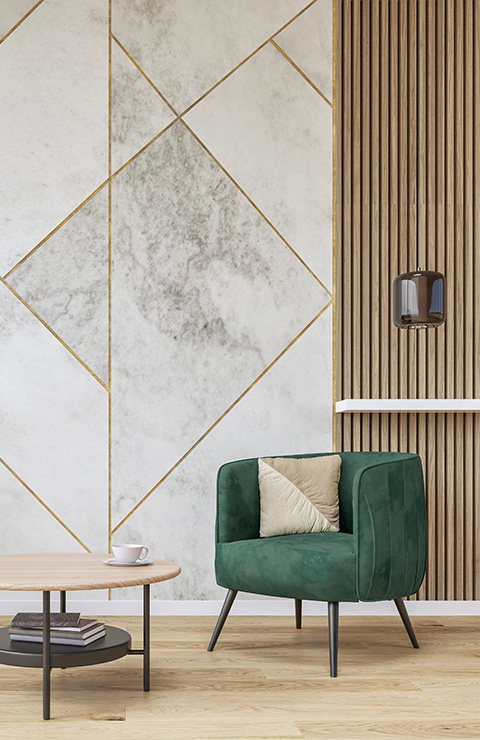
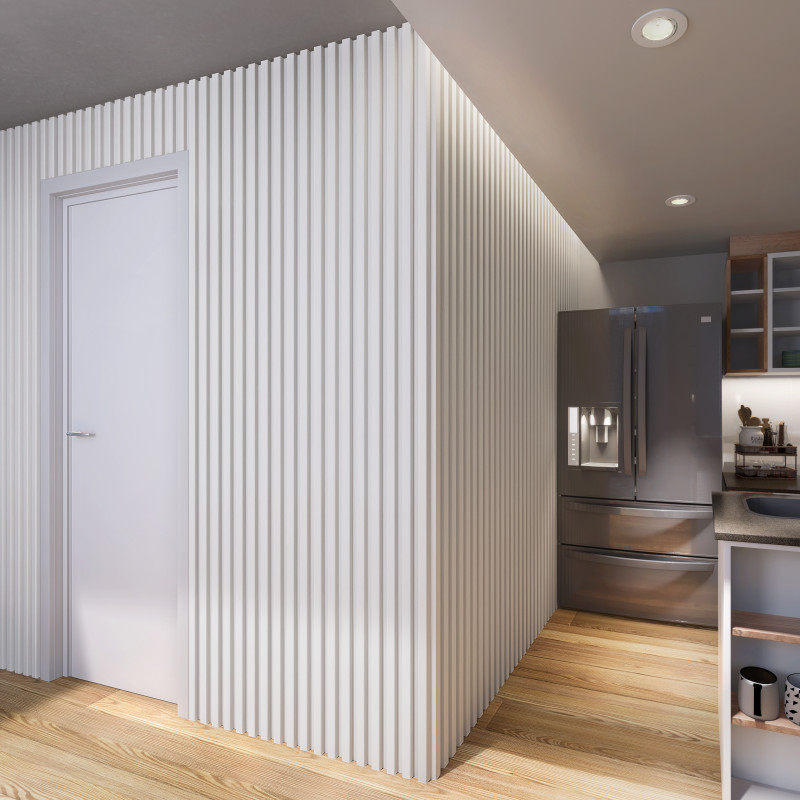
Compatible with contemporary, minimalist, and warm interiors.
4. Low-maintenance stability
Does not swell, crack, or warp.
Reduces long-term maintenance costs.
5. Aligned with modern design standards
Turns technical performance into a design feature.
Supports continuous, coherent visual language.
6. Sustainability
Recyclable material, aligned with environmental design practices.